Table of Contents
Introduction to Antioch, California (Antioch Travel Guide)
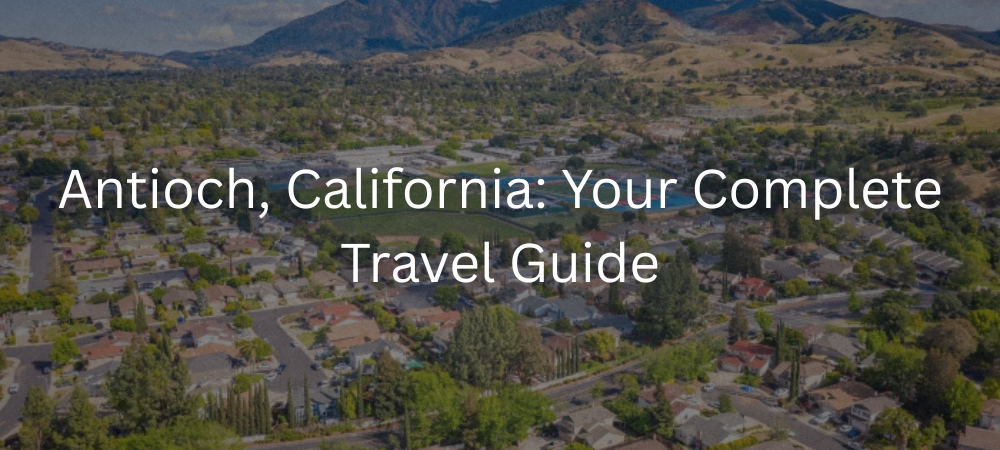
Nestled on the banks of the San Joaquin River in the East Bay region of the San Francisco Bay Area, Antioch, California is a vibrant city blending rich history, stunning natural beauty, and family-friendly tourism opportunities. With a population of around 115,000 residents, Antioch spans approximately 31 square miles of diverse geography, from riverfront marshes to rolling hills dotted with oak woodlands. What makes Antioch special for travelers is its accessible locationroughly 50 miles northeast of San Francisco and 40 miles southwest of Sacramentooffering an authentic California vacation escape without the crowds of bigger cities.
This Antioch, California travel guide highlights why it’s an ideal spot for trip planning, whether you’re seeking outdoor adventures at Black Diamond Mines Regional Preserve, cultural immersion in the Rivertown Historic District, or relaxing days at the Antioch Marina. Founded during the Gold Rush era, Antioch has evolved into a hub for recreation, arts, and diverse cuisine, attracting nature lovers, history buffs, and families. Its proximity to the Sacramento-San Joaquin River Delta provides world-class fishing, boating, and birdwatching, while parks like Contra Loma Regional Park offer hiking and swimming. Expect mild Mediterranean weather, with average highs of 70°F in summer and 55°F in winter, making it a year-round destination for things to do in Antioch.
For those planning a visit to Antioch, the city’s welcoming vibe, affordable attractions, and easy access via major highways like I-160 make it perfect for day trips or extended stays. Dive into this comprehensive guide to uncover Antioch tourist attractions, local secrets, and practical tips for an unforgettable Antioch vacation.
Historical Significance of Antioch, California
The Birth/Foundation of Antioch
Antioch, California traces its roots to 1849, during the California Gold Rush, when brothers William and Joseph Smith established Smith’s Landing as a steamboat landing on the San Joaquin River. Renamed Antioch in 1852 after the ancient biblical city, it quickly grew as a supply point for miners heading to the Sierra foothills. Early settlers were drawn to its fertile delta lands for farming and its strategic river position for trade.
By the late 19th century, Antioch became a key port for shipping grain and produce, earning the nickname “Gateway to the River Delta.” The arrival of the railroad in 1867 further boosted its economy, transforming it from a modest landing into a bustling town.
Historical Timeline
- 1849: Smith’s Landing founded by the Smith brothers.
- 1852: Renamed Antioch; first post office established.
- 1867: Railroad reaches Antioch, spurring growth.
- Late 1800s: Boom in agriculture and coal mining in nearby Black Diamond Mines.
- 1920s-1930s: Rivertown Historic District develops with preserved Victorian architecture.
- Post-WWII: Population surges with suburban expansion and industrial jobs at the Antioch Dunes.
- 2000s-Present: Focus on recreation, tourism, and waterfront revitalization.
This timeline underscores Antioch’s evolution from Gold Rush outpost to modern riverside community.
Cultural Heritage
Antioch’s cultural heritage shines through its diverse population, including strong Hispanic, Asian, and African American influences, reflected in public art like the “Love Always Wins” mural and the Birthplace of Antioch Memorial. The Antioch Historical Museum preserves this legacy with exhibits on early settlers, military history, and local sports legends.
Evolution and Modern Development
Today, Antioch balances its past with progress, revitalizing the Rivertown Historic District for shops, dining, and events while protecting natural areas like the Dow Wetlands Preserve. Modern developments include expanded parks and the El Campanil Theatre, ensuring its historical charm supports thriving tourism.
Top Attractions in Antioch, California
Antioch tourist attractions draw visitors with a mix of nature, history, and entertainment. Here are the top five must-sees for your Antioch, California travel guide.
Black Diamond Mines Regional Preserve
Spanning over 6,000 acres, Black Diamond Mines Regional Preserve is Antioch’s crown jewel for hikers and history fans. Explore former coal and sand mines via guided tours at the Greathouse Visitor Center, where artifacts reveal 19th-century mining life. Trails like the Coal Canyon Trail (5.6 km round trip, moderate), Manhattan Canyon Trail (4.0 km), and Chaparral Loop Trail (9.0 km) offer panoramic views of Mt. Diablo and the Delta.
Open daily from sunrise to sunset; $6 vehicle fee. Picnicking is encouraged at designated spots. Ideal for a full-day visit.
Contra Loma Regional Park
Just minutes from downtown, Contra Loma Regional Park features hiking/biking trails around Contra Loma Reservoir, a swim beach (summer only, $5 entry), and fishing. Trails provide stunning hill views; it’s popular for photo shoots and picnics.
Open 8 AM to sunset; $6 parking. A top pick for outdoor activities in Antioch.
El Campanil Theatre
This 1928 Spanish Revival gem at 602 W 2nd St hosts live performances, films, and concerts. Rated 4.6/5 on Tripadvisor, it’s a cultural hub with ornate architecture.
Check antiochca.gov for schedules; tickets $20-50. Perfect for evening entertainment.
Antioch Historical Museum
At 1500 W 4th St, this free museum (Wed/Sat 1-4 PM) showcases artifacts, an old schoolhouse, and antique dolls. Relocated historic buildings offer immersive history.
Donations appreciated; great for families.
Prewett Family Park
A 175-acre oasis at 4701 Lone Tree Way with playgrounds, sports fields, a water park (seasonal), and trails. Bring your own food; no glass allowed. Entry free; water park $5-7.
Outdoor Activities and Recreation
Antioch excels in outdoor activities, leveraging its river and parks for active vacations.
Boating and Fishing at Antioch Marina
Located at 601 Marina Dr along the San Joaquin River, the Antioch Marina offers boat ramps, fishing for striped bass and salmon, and Delta cruises. Launch fees $10-15/day.
Open daily; prime for water sports.
Hiking and Biking at Delta de Anza Regional Trail
This scenic trail along the river is perfect for biking or walking, with birdwatching at Dow Wetlands Preserve. Free access; multi-use paths.
Swimming and Waterslides at Antioch WaterPark
Seasonal fun (May-Sept) with slides and pools; $10-15 admission. Family favorite.
Nature Trails and Hiking
Beyond Black Diamond and Contra Loma, Nelson Ranch Park offers easy trails and playgrounds. Mt. Diablo State Park nearby adds epic hikes.
Cultural Attractions and Events
Annual Events and Festivals
Rivertown hosts summer concerts, the Antioch Sports Legends Celebration, and holiday parades. Check antiochca.gov for 2026 dates.
Local Arts and Music Scene
Lynn House Gallery (Wed-Sat 1-4 PM, free) at Rivertown features local art exhibits and receptions. El Campanil Theatre brings music and theater.
Museums and Cultural Sites
Antioch Historical Museum and public murals like “Love Always Wins” highlight heritage.
Dining and Local Cuisine
Antioch’s scene reflects its diversity.
Local Favorites
Rivertown spots like taquerias and Delta seafood shacks. Try fresh bass at marina eateries.
Coffee Shops and Casual Dining
Historic downtown cafes; Deer Valley Plaza for chains like Starbucks.
Accommodation Options
Hotels and Motels
Options near I-160 include Best Western (from $120/night) and motels in Slatten Ranch.
Unique Lodging Experiences
Rivertown B&Bs for historic charm.
Camping and RV Facilities
Antioch Marina RV hookups; nearby Black Diamond campgrounds ($25/night).
Shopping and Local Businesses
Antique Shops and Collectibles
Rivertown Historic District brims with antiques and boutiques.
Local Crafts and Artisan Goods
Lynn House Gallery gift shop for handmade items.
Specialty Stores
Slatten Ranch Shopping Centre (Target, JCPenney; 10 AM-8 PM); Deer Valley Plaza.
Transportation and Getting Around
Driving to Antioch
Via I-160 from SF (50 miles, 1 hour) or Hwy 4 from Stockton.
Local Transportation
BART to Pittsburg Bay Point, then bus; rideshares abundant.
Accessibility Information
Parks wheelchair-friendly; marina ramps available. Learn more at the official Antioch website.
Seasonal Considerations and Best Times to Visit
Spring in Antioch
March-May: Wildflowers at Black Diamond; mild 60-70°F. Ideal for hiking.
Summer Activities
June-Aug: WaterPark, marina boating; peaks 80°F. Cheapest hotels off-peak Dec-Feb.
Fall Season
Sept-Nov: Harvest festivals, comfortable trails.
Winter Opportunities
Dec-Feb: Birdwatching, indoor museum visits; low crowds.
Planning Your Visit to Antioch, California
Recommended Itineraries
- Day 1: Black Diamond hike, Historical Museum, Rivertown dinner.
- 3-Day Trip: Add Contra Loma, marina fishing, El Campanil show.
Budget Considerations
Daily costs $100-200/person; free parks offset paid attractions.
What to Pack and Bring
Sunscreen, hiking shoes, bug spray for Delta; layers for variable weather.
Hidden Gems and Local Secrets
Off-the-Beaten-Path Locations
Dow Wetlands Preserve for quiet birdwatching; lesser-known trails at Nelson Ranch.
Local Traditions and Culture
Public art strolls; join community events in Rivertown.
Conclusion
Antioch, California delivers an authentic Bay Area travel guide experience with its historic charm, outdoor adventures, and welcoming vibe. From Black Diamond Mines hikes to Rivertown strolls, this destination offers endless things to do for every traveler. Plan your visit to Antioch today for memories that last.
Also, read Anaheim, California Travel Guide 2025