Table of Contents
Introduction
Pike Push-ups have rapidly surged in popularity among fitness enthusiasts, home workout fans, and calisthenics practitionersand for good reason. This dynamic bodyweight exercise is a game-changer for anyone aiming to build upper body strength, sculpt muscle, and boost functional fitness without the need for expensive gym equipment. Whether you’re a beginner seeking an alternative to traditional push-ups or an advanced athlete looking to master vertical pressing strength, Pike Push-ups fit seamlessly into any training routine.
But what makes it so effective? Unlike standard push-ups, this exercise shifts the emphasis from the chest to the shoulders and upper back, engaging your deltoids, triceps, traps, and core all at once. With a vertical pressing movement pattern, Pike Push-ups offer a unique challenge that not only develops muscle but also improves mobility, balance, and coordination. Thanks to their versatility and progressions, Pike Push-ups are accessible to nearly everyone and serve as an essential stepping stone toward advanced calisthenics moves like the handstand push-up.
Benefits of Pike Push-ups
1. Superior Shoulder Strength
PIt stand out for their ability to target and develop the shoulder muscles, especially the anterior deltoids. Unlike standard push-ups, where the chest takes center stage, the Pike Push-up’s steeper angle forces your shoulders to bear the brunt of the movement. This not only promotes muscle growth but also builds real-world pressing strength that translates to improved performance in sports, lifting, and daily tasks.
2. Enhanced Core Stability
Maintaining the Pike Push-up position activates your core muscles, requiring them to stabilize your spine and pelvis as you move. This constant engagement helps strengthen the abdominals, obliques, and lower back, improving balance and coordination. Strong core muscles are vital for posture, injury prevention, and overall athletic prowess.
3. Improved Functional Fitness
Functional fitness refers to strength and movement patterns that translate directly to everyday activities. Pike Push-ups train vertical pushingan essential movement for actions like lifting objects overhead, placing items on shelves, or pushing doors open. This makes the exercise invaluable not just for athletes, but for anyone aiming to move better in daily life.
4. Progression to Advanced Calisthenics
Pike Push-ups are a foundational exercise for progressing towards advanced calisthenics skills. They mimic the vertical pressing mechanics of the handstand push-up, making them an essential stepping stone for anyone wanting to master handstands or planches. By developing control, balance, and strength, you’ll be better equipped to tackle more challenging bodyweight moves.
5. Increased Mobility and Joint Health
Performing it demands shoulder mobility and flexibility, especially as you increase your range of motion. Regular practice encourages healthy joint function and flexibility in the shoulders, wrists, and hamstrings. Weight-bearing exercises like it also support bone density and joint health, making them a smart addition to any long-term fitness plan.
How to Perform Pike Push-ups
Equipment Needed
One of the best things about it is its simplicity. You need minimal equipment:
- A flat, non-slip surface (yoga mat recommended)
- Optional: Elevated surface (bench, step, or box) for advanced variations
- Comfortable workout attire for unrestricted movement
Step-by-Step Instructions
Setup
- Start in a high plank position with your hands shoulder-width apart and feet hip-width apart.
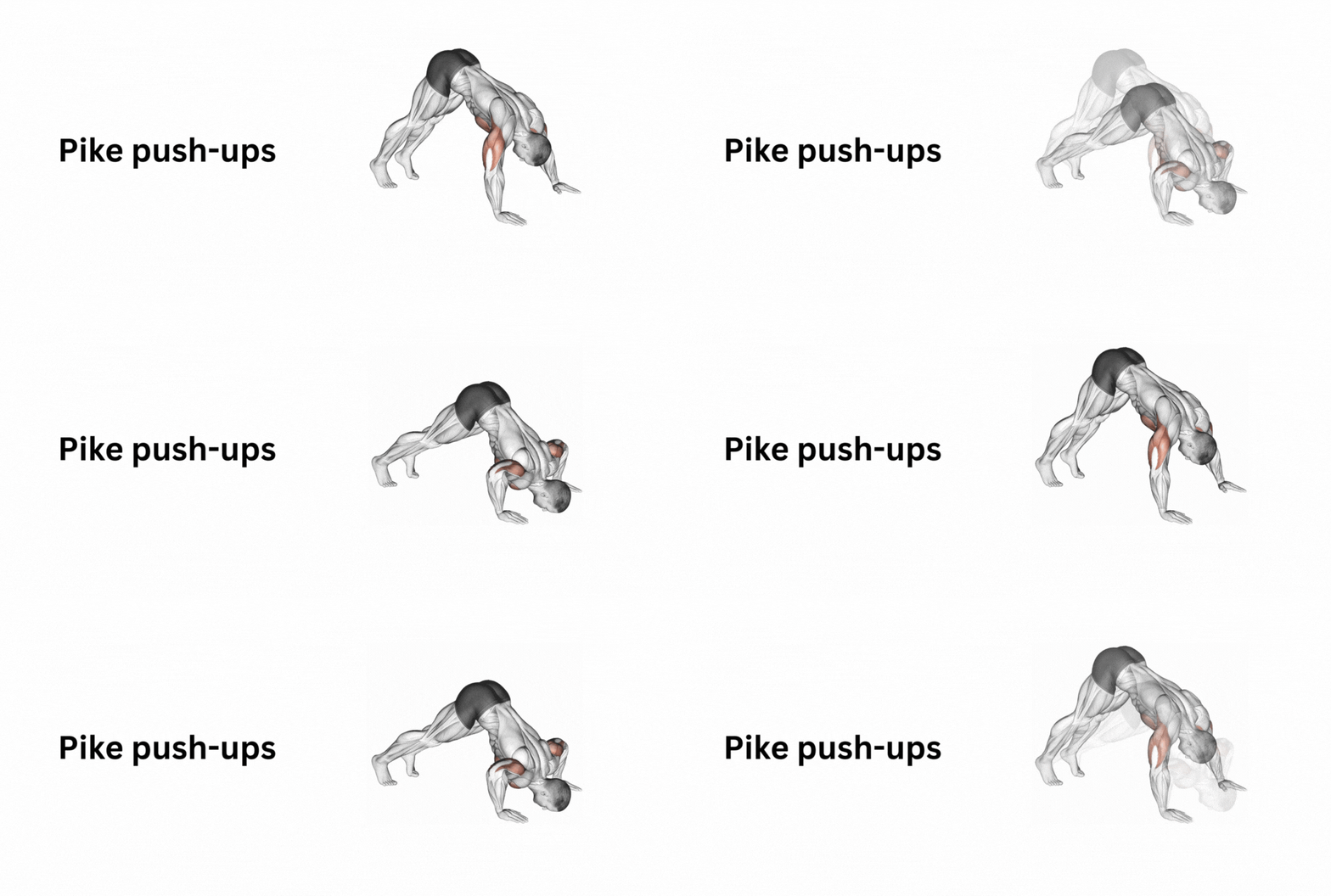
- Walk your feet forward in small steps, raising your hips high towards the ceiling. Your body should form an upside-down “V” (similar to a yoga Downward Dog).
- Keep your legs straight (a slight bend is okay if flexibility is limited) and your heels off the ground.
- Hands should be flat on the ground, fingers spread for stability, and wrists stacked under your shoulders.
Execution
- Lower your head toward the ground by bending your elbows, keeping them tucked in and pointing backward (not flared out).
- Descend until the crown of your head nearly touches the floor, maintaining a neutral neck.
- Pause briefly at the bottom, feeling the stretch and engagement in your shoulders and triceps.
- Push through your hands to straighten your arms and return to the starting position, keeping your hips elevated and core engaged throughout.
- Repeat for the desired number of reps.
Proper form cues:
- Keep your hips high throughout the movement.
- Avoid letting your back arch or sag.
- Maintain active shoulders and engaged core.
Repetitions and Sets
For beginners:
- Start with 2–3 sets of 6–10 reps
- Rest 60–90 seconds between sets
For intermediate to advanced:
- Aim for 3–5 sets of 10–15 reps
- Rest 45–60 seconds between sets
Adjust sets and reps based on your strength and endurance. Focus on quality form over quantity.
Additional Tips for Success
- Warm up thoroughly before starting (shoulder circles, arm swings, wrist stretches)
- Engage your core to protect your lower back
- Breathe steadilyinhale as you lower, exhale as you push up
- Start with elevated Pike Push-ups (hands on a platform) if you struggle with flexibility or strength
- Progress slowlyadd reps or range of motion as you get stronger
- Film yourself or use a mirror to monitor form
Video on how to do it
Common Mistakes to Avoid
1. Flaring Elbows Outward
Allowing your elbows to flare away from your body places unnecessary stress on the shoulder joints and reduces muscle activation. Instead, keep your elbows tucked back throughout the movement for better joint health and muscle engagement.
2. Lowering with the Forehead or Nose
Many people mistakenly lead with the forehead or nose, increasing neck strain and decreasing the effectiveness of the exercise. Lower your head so the crown moves toward the ground, keeping your neck neutral.
3. Letting Hips Drop
Dropping your hips turns the movement into a regular push-up, shifting the focus away from the shoulders. Always keep your hips high and aligned with your hands.
4. Incomplete Range of Motion
Only performing partial reps limits progress. Aim to lower until your head nearly touches the floor (or goes slightly below if using elevated hands for advanced variations).
Muscles Worked in Pike Push-ups
Primary Muscle Group
- Deltoids (Shoulders): Especially the anterior (front) deltoid, which bears most of the load in the vertical pressing motion.
Secondary Muscles
- Triceps brachii (back of the upper arm)
- Upper pectorals (upper chest)
- Trapezius (upper back)
- Core muscles (abdominals, obliques, lower back)
- Serratus anterior (muscle along the rib cage)
This compound activation makes Pike Push-ups a powerhouse for upper body and core development.
Variations of Pike Push-ups
1. Elevated Pike Push-ups
Place your feet on a platform (bench, box, or step) to increase the angle and difficulty. This variation shifts even more weight to the shoulders, building strength for handstand push-ups.
2. Decline Pike Push-ups
Place your hands on an elevated surface (yoga block or step) while keeping your feet on the ground. This is great for beginners or those lacking mobility.
3. Archer Pike Push-ups
Shift your weight to one side as you lower, extending the opposite arm out to the side. This increases unilateral strength and control.
4. Handstand Push-up Progressions
Once Pike Push-ups feel easy, progress to wall-supported handstand push-ups for maximum shoulder strength and skill transfer to advanced calisthenics.
5. Deficit Pike Push-ups
Perform Pike Push-ups with your hands on parallettes or push-up handles. This allows for a greater range of motion, further challenging your shoulders and triceps.
Incorporating it into Your Routine
Sample Workout
Here’s a sample upper body workout that includes Pike Push-ups:
- Warm-up: 5 minutes (dynamic stretching, shoulder circles)
- Standard Push-ups: 3 sets of 12 reps
- Pike Push-ups: 4 sets of 10 reps
- Plank Shoulder Taps: 3 sets of 20 taps
- Tricep Dips: 3 sets of 12 reps
- Cool down: 5 minutes (stretching, deep breathing)
Training Frequency
For best results, include Pike Push-ups 2–3 times per week as part of your upper body or full-body strength training sessions. Allow at least 48 hours between sessions to ensure proper recovery, especially for beginners or those new to shoulder training.
Safety Considerations
1. Warm Up Thoroughly
Always warm up your shoulders, wrists, and core before starting Pike Push-ups to reduce injury risk.
2. Listen to Your Body
If you feel pain (not to be confused with normal muscle fatigue), stop immediately and reassess your form.
3. Start with Easier Variations
If you struggle with the standard Pike Push-up, start with elevated hands or a smaller range of motion.
4. Progress Gradually
Increase reps, sets, or difficulty slowly to avoid overuse injuries or tendon strain.
FAQs
1. Are Pike Push-ups better than regular push-ups for shoulder strength?
Yes, Pike Push-ups place more emphasis on the shoulders and less on the chest compared to regular push-ups, making them superior for developing deltoid strength.
2. Can Pike Push-ups help build muscle mass?
Absolutely. Pike Push-ups are effective for muscle hypertrophy, especially in the shoulders and upper chest, when performed with sufficient intensity and volume.
3. Do I need any equipment for Pike Push-ups?
No equipment is required for standard Pike Push-ups, though elevated surfaces can add difficulty or assist beginners.
4. How can I make Pike Push-ups easier or harder?
To make them easier, elevate your hands or reduce the range of motion. For more challenge, elevate your feet, increase the angle, or progress to handstand push-ups.
5. Are Pike Push-ups safe for people with shoulder issues?
Pike Push-ups are generally safe, but anyone with pre-existing shoulder injuries should consult a healthcare provider or physical therapist before attempting them. For additional safety and technique tips, refer to ACE Fitness’ guide to safe bodyweight exercises.
Conclusion
Pike Push-ups are a cornerstone in bodyweight fitness for building muscle, strength, and functional movement. By targeting your shoulders, triceps, chest, and core, they deliver a comprehensive upper body workout that requires no equipment and minimal space. Whether you’re seeking strength gains, muscle definition, or a stepping stone to advanced calisthenics, Pike Push-ups deserve a spot in your routine.
For more tips on optimizing your workout routine and saving on fitness essentials, be sure to check out [the latest health and exercise guides at SaveDollar](https://savedollar.us/relevant-page/).
To explore the science behind bodyweight training and its health benefits, review this research on PubMed, which covers muscle activation, safety, and progression in resistance exercise.