Table of Contents
Instructions
The Dumbbell Alternating Front Raise is a highly effective shoulder isolation exercise that primarily targets the anterior deltoids. By lifting one arm at a time, it reduces momentum, ensures strict form, and maximizes muscle activation making it perfect for hypertrophy and strength-focused shoulder workouts.
What is the Dumbbell Alternating Front Raise?
The Dumbbell Alternating Front Raise is a shoulder isolation exercise that primarily targets the anterior deltoids. Unlike traditional front raises where both arms move simultaneously, this variation lifts one dumbbell at a time, allowing for greater control and minimizing momentum. It can be performed standing or seated, making it versatile for different training setups. This exercise is particularly effective for building shoulder hypertrophy, improving definition, and reducing unnecessary fatigue during high-rep sets.
Benefits of the Dumbbell Alternating Front Raise
- Maximizes anterior deltoid activation: Lifting one arm at a time ensures focused tension on the front delts for better growth.
- Reduces momentum and cheating: The alternating movement encourages strict form, minimizing swinging and reliance on other muscles.
- Improves unilateral shoulder strength: Training each arm individually helps correct muscle imbalances and builds balanced strength.
- Enhances mind-muscle connection: Focusing on one arm at a time increases awareness and control during the lift.
- Great finisher for shoulder workouts: Perfect for adding isolation volume at the end of a shoulder routine to maximize pump and hypertrophy.
Muscles Worked
| Muscle Group | Role |
|---|---|
| Anterior Deltoid | Primary mover |
| Medial Deltoid | Stabilizer |
| Upper Pectorals | Secondary support |
| Trapezius (Traps) | Stabilization |
| Core | Postural support |
Explanation: The Dumbbell Alternating Front Raise primarily targets the anterior deltoids, while the medial delts and traps stabilize the movement. The upper pectorals assist slightly, and the core engages to maintain posture and balance throughout the lift.
How to Perform the Dumbbell Alternating Front Raise
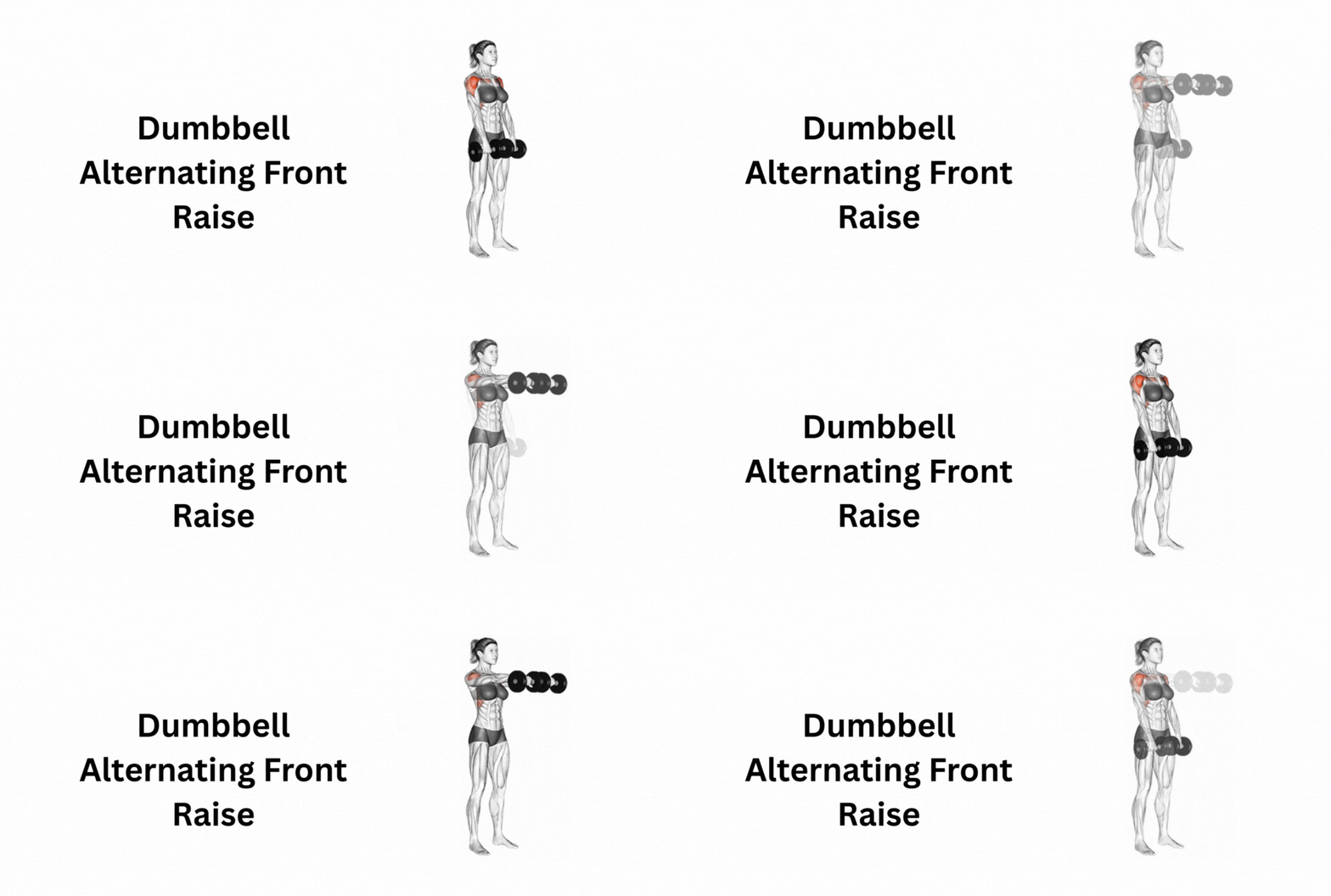
Step 1: Starting Position
- Stand with feet shoulder-width apart, knees slightly bent.
- Hold a dumbbell in each hand with palms facing your thighs.
- Keep elbows slightly bent and shoulders relaxed.
- Engage your core to maintain upright posture.
Step 2: Lifting Motion
- Slowly raise one dumbbell in front of you to shoulder height in a controlled arc.
- Exhale as you lift.
- Keep the opposite arm stationary at your side, maintaining tension in the core.
- Avoid swinging or using momentum.
Step 3: Alternate Arm
- Slowly lower the first dumbbell back to the starting position.
- Raise the opposite arm in the same controlled manner.
- Focus on smooth, deliberate movement, maintaining posture throughout.
Step 4: Finish
- Continue alternating arms until completing the desired number of repetitions per side.
- Lower both dumbbells slowly to the starting position.
- Rest briefly and repeat for additional sets as needed.
Form Tips:
- Keep movements slow and controlled for maximum anterior deltoid activation.
- Avoid shrugging shoulders or leaning backward.
- Maintain a slight bend in elbows to reduce joint strain.
Video
Best Form Cues for the Dumbbell Alternating Front Raise
- Lift with your shoulders, not your arms: Focus on anterior deltoid activation rather than arm movement.
- Keep elbows slightly bent: Reduces joint stress and ensures a safer lift.
- Do not use momentum: Perform slow, controlled movements to maximize muscle engagement.
- Control both the lift and the lowering phase: Maintain tension in the delts throughout the full range of motion.
- Engage your core throughout: Supports posture and prevents lower back strain.
Common Mistakes & How to Fix Them
| Mistake | Problem | Fix |
|---|---|---|
| Swinging dumbbells | Reduces anterior delt activation | Use lighter weight and lift with a slower, controlled tempo |
| Bent elbows too much | Less tension on the delts | Maintain a slight bend, not excessive |
| Lifting above shoulder height | Overactivates traps instead of delts | Stop raising at shoulder level |
| Leaning torso | Reduces isolation of shoulders | Stand tall and brace your core |
Tips:
- Focus on strict form over heavy weight to maximize hypertrophy.
- Slow, deliberate lifts increase time under tension and improve mind-muscle connection.
- Always maintain posture and avoid compensating with back or legs.
Variations & Alternatives
Variations:
- Seated Dumbbell Alternating Front Raise: Reduces momentum and emphasizes strict form.
- Cable Alternating Front Raise: Maintains constant tension throughout the movement.
- Plate Front Raise (Alternating): Offers a different grip and loading stimulus for delts.
Alternatives:
- Standing Dumbbell Front Raise (Both Arms): Traditional version for simultaneous anterior delt activation.
- Barbell Front Raise: Allows for heavier loading and uniform movement.
- Incline Front Raise: Performed on an incline bench to reduce momentum and isolate delts further.
Tip: Choose a variation or alternative based on your training goals, whether it’s hypertrophy, strength, or shoulder endurance.
Programming
Rep Ranges:
- Hypertrophy: 3-4 sets of 12-15 reps per arm
- Endurance: 2-3 sets of 15-20 reps per arm
Frequency:
- Perform 1-2 times per week.
- Ideal as a finisher after compound pressing exercises such as overhead presses or bench presses.
Sample 4-Week Progression:
- Week 1: 3×12 per arm, light weight for form focus
- Week 2: 3×15 per arm
- Week 3: 4×12 per arm, increase weight slightly
- Week 4: 4×15 per arm, maintaining control and tempo
Tip: Gradually increase weight or reps to ensure progressive overload while maintaining strict form.
Safety & Who Should Avoid the Dumbbell Alternating Front Raise
- Avoid if you have shoulder impingement or existing pain: Performing this exercise with compromised shoulders can worsen injuries.
- Warm up your shoulders thoroughly: Use dynamic stretches or light mobility exercises to prepare the joints.
- Start with light dumbbells: Focus on mastering proper form before increasing weight.
- Maintain slow, controlled movements: Avoid swinging or jerking the dumbbells to reduce risk of strain.
Tip: If you experience discomfort in the shoulder joint, stop immediately and consult a fitness professional or physical therapist.
FAQs About the Dumbbell Alternating Front Raise
1. Alternating front raise vs both-arms front raise which is better?
The alternating version allows for greater control, reduces momentum, and improves mind-muscle connection, making it ideal for hypertrophy. Both-arms front raise is better for simultaneous activation and slightly heavier loading.
2. How heavy should I lift?
Choose a weight that allows strict form throughout the set. Focus on control rather than heavy loads—typically light to moderate dumbbells work best.
3. Can beginners safely perform this exercise?
Yes. Start with light dumbbells and slow, controlled movements to master form before progressing in weight or volume.
4. Should I do it standing or seated?
Both are effective. Standing engages the core more, while seated reduces momentum and emphasizes strict shoulder isolation.
5. How many times per week should I train shoulders with this exercise?
1-2 times per week is sufficient, ideally as a finisher after compound pressing movements.
6. Can it help fix muscle imbalances?
Yes. Training one arm at a time ensures each shoulder is worked evenly, helping correct strength differences.
7. How high should I raise the dumbbells?
Lift only to shoulder height. Going higher shifts tension to the traps and reduces anterior deltoid activation.
Key Takeaways
- The Dumbbell Alternating Front Raise is an effective isolation exercise for building anterior deltoid strength and hypertrophy.
- Alternating movements improve control, focus, and mind-muscle connection, making each rep more effective.
- Ideal as a finisher or accessory in shoulder workouts to maximize pump and deltoid development.
Explore related workouts and enhance your shoulder training:
- Shoulder Workout Routines
- Push-Day Workouts
- Best Front Delt Exercises
See Other Exercises: Barbell Reclined Shoulder Press, Barbell Shoulder Press, Barbell Seated Military Press