Table of Contents
Instructions
The Dumbbell Front Raise is a fundamental shoulder exercise that primarily targets the anterior deltoids, helping build strength, size, and definition in the front of your shoulders. This controlled, isolation movement is essential for balanced shoulder development, improving posture, and enhancing overall upper-body aesthetics. Ideal for beginners, hypertrophy-focused lifters, and those undergoing shoulder rehabilitation, front raises can be easily adjusted in weight and technique to match individual goals. In this article, we’ll break down the proper technique, explore the benefits, suggest effective alternatives, and provide expert tips to maximize results while keeping your shoulders safe and injury-free.
What Is the Dumbbell Front Raise?
Definition and Purpose
The Dumbbell Front Raise is an isolation exercise designed to strengthen and sculpt the anterior (front) deltoids. Unlike compound movements such as presses, front raises focus primarily on lifting the weight using the front shoulder muscles, minimizing assistance from other muscle groups. This makes it ideal for targeted hypertrophy, improving shoulder definition, and enhancing shoulder stability.
Seated vs Standing Execution
Front raises can be performed standing or seated, each with unique benefits:
- Standing Front Raise: Engages core and stabilizing muscles, allowing for slightly heavier weights.
- Seated Front Raise: Reduces momentum, isolates the anterior delts more effectively, and minimizes lower-back strain.
Why It Targets the Anterior Deltoids
Lifting the dumbbells directly in front of the body puts constant tension on the front portion of the shoulders, activating the anterior delts while limiting involvement from the lateral or posterior delts. This focused engagement makes front raises a go-to exercise for those wanting defined and proportionate shoulders.
How It Differs from Presses and Lateral Raises
- Presses (e.g., Military or Arnold Press): Compound movements involving triceps, traps, and core, with less isolation of the anterior delts.
- Lateral Raises: Target the side (lateral) delts, providing width rather than frontal definition.
By contrast, the front raise uniquely develops the front shoulder line, complementing both pressing and lateral movements for well-rounded shoulder growth.
Benefits of the Dumbbell Front Raise
The Dumbbell Front Raise offers a range of advantages, making it a staple in shoulder-focused workouts:
- Strengthens Anterior Delts for Better Pressing Power: By isolating the front delts, front raises improve performance in pressing movements like bench presses and overhead presses.
- Improves Shoulder Aesthetics and Definition: Regularly performing front raises helps sculpt the front of the shoulders, enhancing overall upper-body appearance.
- Enhances Shoulder Stability and Posture: Strengthened anterior delts contribute to better shoulder joint stability and support proper posture during daily activities and lifting.
- Can Be Adapted for Rehabilitation: Front raises with light weights or resistance bands are commonly used in rehab settings to safely rebuild shoulder strength after injury.
- Improves Mind-Muscle Connection: Performing the movement slowly and deliberately increases neuromuscular awareness, helping you engage the anterior delts more effectively.
Muscles Worked
The Dumbbell Front Raise primarily targets the anterior deltoids while engaging several secondary and stabilizing muscles:
Primary
- Anterior Deltoids: The front portion of the shoulder is the main driver of the movement, responsible for lifting the dumbbells straight in front of the body.
Secondary
- Upper Chest (Clavicular Portion of Pectoralis Major): Assists slightly in raising the arms, especially when using moderate to heavier weights.
- Upper Trapezius: Helps stabilize the shoulder girdle during the lift.
Stabilizers
- Core Muscles: The abs and obliques engage to maintain upright posture and prevent swinging.
- Scapular Stabilizers (Rhomboids and Serratus Anterior): Keep the shoulder blades stable, ensuring proper form and reducing injury risk.
By engaging both primary and supporting muscles, the Dumbbell Front Raise promotes balanced shoulder development and improves overall upper-body stability.
How to Perform the Dumbbell Front Raise
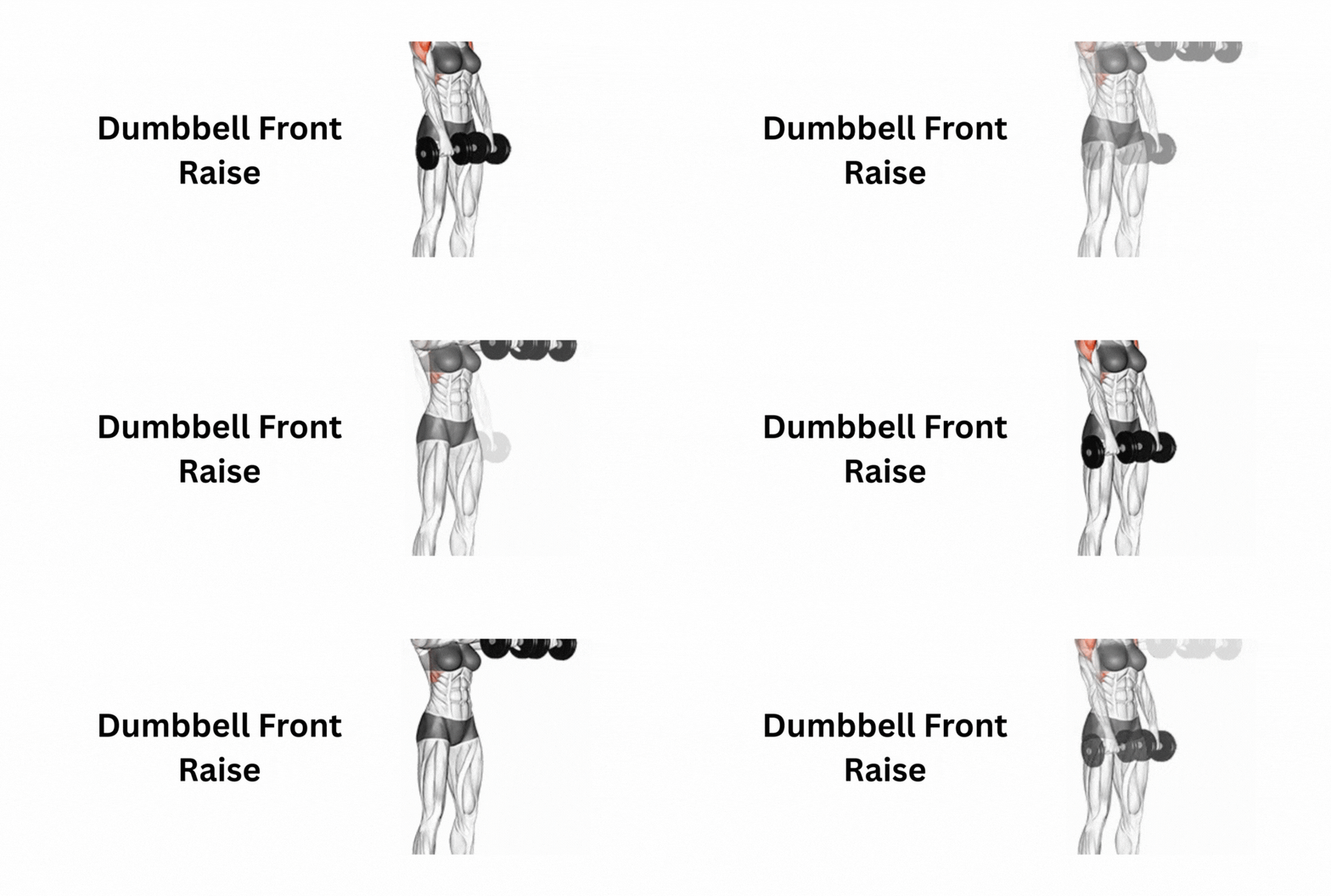
Mastering proper technique ensures maximum results and reduces the risk of injury. Follow these steps for an effective Dumbbell Front Raise:
Step 1: Setup
- Stand with your feet shoulder-width apart for a stable base.
- Hold a dumbbell in each hand at your sides, palms facing your thighs.
- Engage your core and maintain a neutral spine.
Step 2: Start Position
- Brace your core and keep your shoulders down and back.
- Avoid shrugging your shoulders or arching your lower back.
- Keep a slight bend in your elbows throughout the movement.
Step 3: Lifting Phase
- Raise the dumbbells straight in front of you until they reach shoulder height.
- Focus on controlled movement rather than using momentum.
- Maintain slightly bent elbows to reduce stress on the joints.
Step 4: Lowering Phase
- Slowly lower the dumbbells back to your sides.
- Keep tension on the anterior delts throughout the descent.
- Avoid dropping the weights quickly, which reduces effectiveness and increases injury risk.
Step 5: Breathing
- Exhale as you lift the dumbbells.
- Inhale as you lower them back to the starting position.
Video
Common Mistakes
Performing the Dumbbell Front Raise incorrectly can reduce its effectiveness and increase the risk of injury. Here are the most common mistakes and how to fix them:
| Mistake | Why It’s a Problem | Fix |
|---|---|---|
| Using momentum | Reduces anterior delt activation and shifts work to other muscles | Lower the weight and perform the lift with a slow, controlled tempo |
| Lifting too high | Increases risk of shoulder impingement | Stop when dumbbells reach shoulder height |
| Shrugging traps | Overuses the upper trapezius, taking focus away from the delts | Focus on driving with the shoulders forward while keeping traps relaxed |
| Swinging torso | Loss of isolation and decreased effectiveness | Brace your core or perform the exercise seated to maintain proper form |
Correcting these mistakes ensures maximum anterior delt engagement, safer lifts, and better results over time.
Variations & Alternatives
Mixing up the Dumbbell Front Raise or using alternatives can help target the shoulders differently, reduce injury risk, and keep workouts challenging. Here are some popular options:
1. Seated Dumbbell Front Raise
- Performed while seated to minimize torso movement, improving anterior delt isolation.
- Ideal for beginners or those focusing on strict form and hypertrophy.
2. Alternating Dumbbell Front Raise
- Lift one arm at a time, keeping the other at your side.
- Enhances mind-muscle connection and allows for better control, especially with heavier weights.
3. Full Can Front Raise
- Grip the dumbbells with thumbs slightly pointing up, similar to a full can motion.
- Reduces shoulder stress and is safer for individuals with shoulder impingement.
4. Cable Front Raise
- Using a cable machine provides constant tension throughout the range of motion.
- Great for strength and definition without heavy dumbbells.
5. Plate Front Raise
- Hold a weight plate with both hands and lift straight in front of you.
- Works similarly to dumbbells but can increase grip engagement and provide a different resistance curve.
Incorporating these variations allows for progressive overload, rehab-friendly options, and variety, keeping shoulder training effective and injury-free.
How to Program Dumbbell Front Raise
Proper programming ensures that Dumbbell Front Raises contribute effectively to shoulder development while fitting seamlessly into your workout routine.
Reps & Sets
- Hypertrophy (muscle growth): 3-4 sets of 10-15 reps
- Endurance: 2-3 sets of 12-20 reps
Frequency
- Perform 2-3 times per week, allowing adequate recovery between sessions.
Placement in Workout
- Include front raises after compound pressing movements (like bench or overhead presses) to fully fatigue the anterior delts.
- Can also be used as a finisher at the end of a shoulder or push-day routine for maximum isolation.
By adjusting sets, reps, and placement, you can target strength, hypertrophy, or endurance while minimizing injury risk.
Safety Tips & Rehab Notes
Performing Dumbbell Front Raises safely is crucial to prevent injury and ensure long-term shoulder health. Follow these key tips:
- Avoid Excessive Weight: Using dumbbells that are too heavy can lead to poor form and increase the risk of shoulder impingement. Choose a weight that allows controlled movement throughout the set.
- Focus on Controlled Movements: Lift and lower the dumbbells slowly and deliberately to maintain tension on the anterior delts and prevent momentum from taking over.
- Warm-Up Shoulder Joints: Perform dynamic stretches or light activation exercises (like band pull-aparts or arm circles) before lifting to prepare the shoulders and improve mobility.
- Stop if Discomfort Occurs: Mild muscle fatigue is normal, but sharp pain or discomfort is a warning sign. Pause or modify the exercise if needed, and consult a professional if pain persists.
Following these safety guidelines makes Dumbbell Front Raises effective for hypertrophy, endurance, and rehab without compromising shoulder integrity.
Frequently Asked Questions
1. Dumbbell Front Raise vs Barbell Front Raise Which Is Better?
Dumbbells allow independent arm movement, improving balance, mind-muscle connection, and joint safety. Barbells let you lift heavier loads but can restrict natural arm movement, increasing shoulder stress. Dumbbells are generally preferred for isolation and safer shoulder mechanics.
2. Seated vs Standing Front Raise Which Is Safer?
- Seated Front Raise: Reduces torso sway and isolates the anterior delts, making it safer for beginners or those rehabbing shoulders.
- Standing Front Raise: Engages stabilizers and core but requires stricter form to avoid swinging.
3. How High Should Dumbbells Go?
Lift only to shoulder height. Raising higher can increase the risk of shoulder impingement and does not improve muscle activation.
4. Can Beginners Perform Front Raises?
Yes! Start with light dumbbells, focus on controlled movement, and gradually increase weight as strength and form improve.
5. Is It Safe for Shoulder Rehabilitation?
Front raises with light weights or resistance bands are often used in rehab to rebuild anterior delt strength. Always follow guidance from a physical therapist if recovering from injury.
6. What Is the Ideal Rep Range for Hypertrophy?
Perform 3-4 sets of 10-15 reps for muscle growth, focusing on slow, controlled movements to maximize anterior delt engagement.
Key Takeaways
- Front Raises Isolate the Anterior Deltoids: This exercise specifically targets the front shoulder, enhancing definition and strength.
- Seated and Alternating Variations Improve Control: These variations reduce momentum and increase mind-muscle connection for safer, more effective training.
- Light to Moderate Weights Maximize Safety and Activation: Using manageable weights ensures proper form, reduces injury risk, and maintains tension on the delts.
Enhance your shoulder workouts with these resources:
- Shoulder Workout Plan – Full routines for strength and hypertrophy
- Front Raise Variations Guide – Explore different ways to target your anterior delts
- Push Day Routines – Incorporate front raises into balanced push workouts
See Other Exercises: Dumbbell Alternating Seated Front Raise, Dumbbell Seated Front Raise, Dumbbell Full Can Seated Front Raise