Table of Contents
Instructions
Barbell Shoulder Press is a powerful compound exercise that builds strength and muscle mass in the shoulders, triceps, and upper chest. Performed either standing or seated, it’s a cornerstone movement for increasing overhead pressing power, shoulder stability, and overall upper-body development.
If you want a more aggressive fitness-blog tone, beginner-friendly version, or hypertrophy-focused intro, I can tailor it further.
What is the Barbell Shoulder Press?
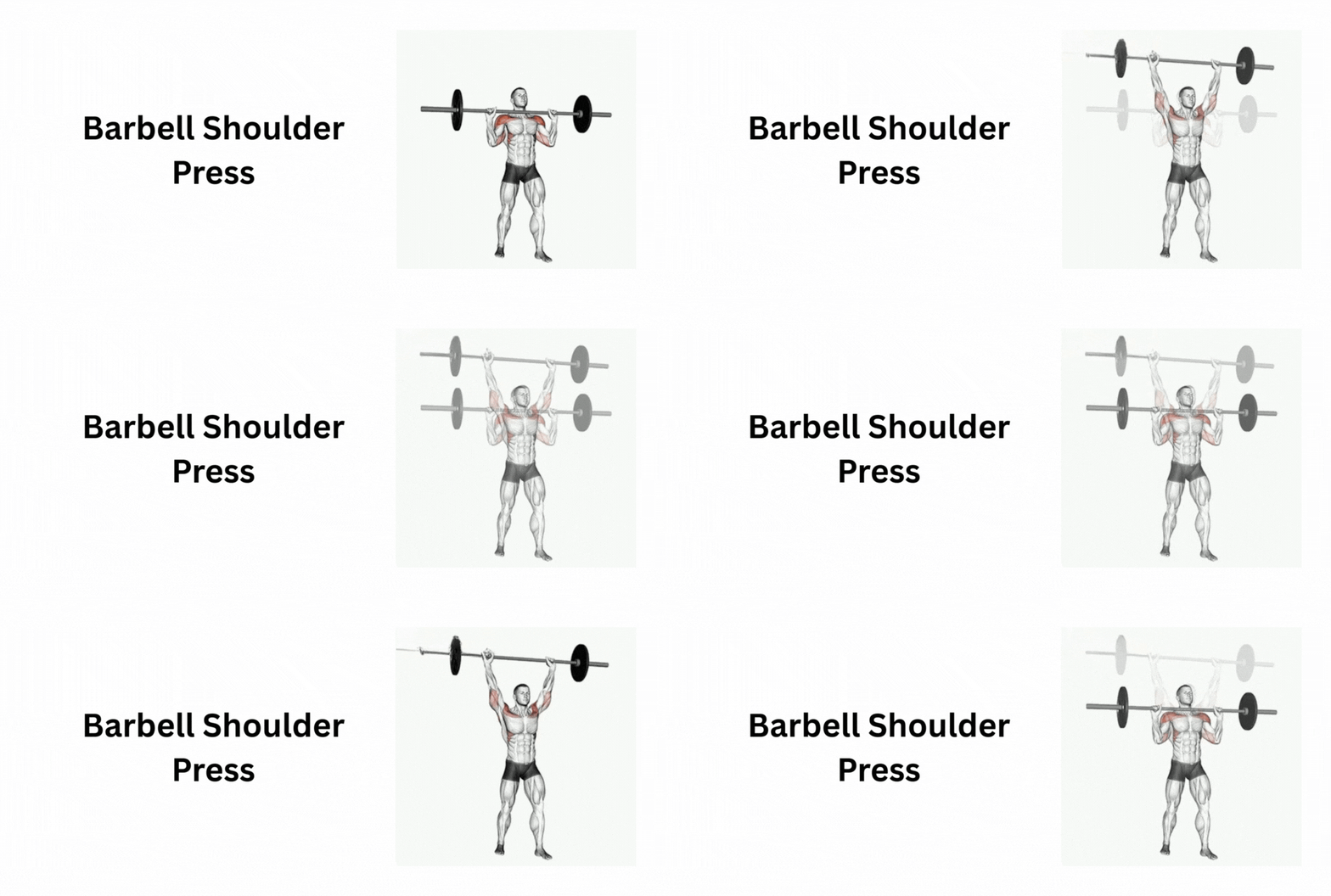
The Barbell Shoulder Press is a compound, vertical pressing exercise where a barbell is pressed overhead from shoulder level to full arm extension. It follows a vertical pressing movement pattern, meaning the resistance moves straight upward against gravity, making it one of the most effective exercises for building upper-body strength and power.
Shoulder Press vs Military Press
While often used interchangeably, there is a key difference between the two:
- Barbell Shoulder Press allows a more natural stance and slight lower-body or torso movement.
- Military Press is performed with a strict, upright posture, feet together, and zero leg drive, emphasizing pure shoulder and triceps strength.
Standing vs Seated Execution
- Standing Barbell Shoulder Press engages the core, glutes, and lower body for full-body stability and functional strength.
- Seated Barbell Shoulder Press reduces lower-body involvement, allowing greater shoulder isolation and better control for hypertrophy-focused training.
Why It’s a Staple in Strength & Bodybuilding Programs
The barbell shoulder press is foundational because it:
- Builds overall shoulder mass and pressing strength
- Improves overhead mobility and joint stability
- Transfers directly to other compound lifts and athletic movements
- Allows progressive overload more effectively than most shoulder exercises
Whether your goal is raw strength, muscle growth, or balanced upper-body development, the barbell shoulder press remains a must-have movement in any serious training program.
Benefits of the Barbell Shoulder Press
The Barbell Shoulder Press is one of the most effective exercises for developing strong, powerful shoulders. Its compound nature makes it essential for both strength athletes and physique-focused lifters.
Builds Overall Shoulder Mass and Strength
By targeting all three heads of the deltoids especially the anterior and medial delts the barbell shoulder press promotes significant muscle growth and long-term strength gains. The ability to progressively load the barbell makes it superior for building dense, powerful shoulders.
Improves Overhead Pressing Power
Regularly performing the barbell shoulder press increases vertical pressing strength, which carries over to advanced lifts and functional movements. It trains the body to generate force efficiently while pressing weight overhead with control.
Engages Triceps and Upper Chest
Beyond the shoulders, this exercise heavily recruits the triceps for elbow extension and the upper chest for pressing support. This multi-muscle engagement makes it an excellent upper-body mass builder.
Enhances Shoulder Stability and Posture
Pressing a barbell overhead strengthens the stabilizing muscles around the shoulder joints and upper back. When performed with proper form, it helps reinforce upright posture and balanced shoulder mechanics.
Transfers to Athletic and Compound Lifts
The barbell shoulder press improves performance in major compound lifts such as the bench press, push press, and clean and jerk. It also enhances athletic actions like throwing, pushing, and overhead movements, making it valuable beyond bodybuilding.
Overall, the barbell shoulder press delivers strength, size, and functional carryover making it a cornerstone exercise for any serious training routine.
Muscles Worked
The Barbell Shoulder Press is a compound exercise that activates multiple upper-body and core muscles. Understanding the muscles involved helps improve form, balance muscle development, and maximize strength gains.
Primary Muscles
Anterior Deltoids
The front delts are the primary drivers of the pressing motion, responsible for lifting the barbell overhead and controlling the movement throughout the range of motion.
Medial Deltoids
The side delts assist in shoulder abduction and contribute to shoulder width and overall mass, especially during the mid-press phase.
Secondary Muscles
Triceps
The triceps play a major role in elbow extension, helping lock out the barbell at the top of each repetition.
Upper Pectorals
The upper chest supports the pressing action, particularly at the bottom of the movement when the barbell is at shoulder level.
Trapezius
The traps assist in stabilizing the shoulders and upper back, especially during heavy lifts and controlled lockouts.
Stabilizer Muscles
Core
The abdominal muscles and obliques work continuously to maintain balance and prevent excessive lower-back arching.
Lower Back
The spinal erectors help keep the torso upright, particularly during standing barbell shoulder presses.
Scapular Stabilizers
Muscles such as the rhomboids and rotator cuff stabilize the shoulder blades, ensuring proper joint alignment and safe overhead movement.
Together, these muscles make the barbell shoulder press a highly effective full-upper-body strength exercise with significant functional carryover.
How to Perform the Barbell Shoulder Press
Proper technique is essential to maximize strength gains and protect the shoulders and lower back. Follow these step-by-step instructions to perform the barbell shoulder press with correct form.
Step 1: Setup
Position the barbell on a rack at upper-chest height. Step under the bar, place it across the front of your shoulders, and unrack it with control. Stand with your feet shoulder-width apart, maintain a neutral spine, and brace your core to create a stable base.
Step 2: Grip & Start Position
Use a pronated (overhand) grip slightly wider than shoulder width. Your elbows should be directly under your wrists, not flared excessively forward or outward. Rest the barbell at collarbone height, keeping the chest tall and shoulder blades engaged.
Step 3: Press
Press the barbell overhead in a straight vertical line. As the bar passes your face, move your head slightly back, then bring it forward once the bar clears. Exhale during the pressing phase while keeping your core tight and glutes engaged.
Step 4: Lockout
At the top of the movement, your arms should be fully extended with the barbell positioned over your midfoot. Avoid shrugging the shoulders excessively or hyperextending the lower back maintain a stacked ribcage and pelvis.
Step 5: Lowering Phase
Lower the barbell back to chest level using a controlled eccentric tempo of 2-3 seconds. Keep the elbows under the bar and maintain tension through the shoulders and core before starting the next repetition.
Executing the barbell shoulder press with strict form improves strength, stability, and long-term shoulder health.
Video
Best Form Cues for Maximum Results
Using the right form cues during the barbell shoulder press helps you lift heavier weights safely while maximizing shoulder activation and minimizing injury risk. Keep these key cues in mind for every rep:
Brace Your Core Before Pressing
Tighten your abs as if preparing for a punch. A braced core creates a stable base, protects the spine, and allows more efficient force transfer during the press.
Keep Ribs Down
Avoid flaring the ribs upward as the weight gets heavier. Keeping the ribs down maintains proper spinal alignment and prevents excessive stress on the lower back.
Elbows Under Wrists
Ensure your elbows stay stacked directly under your wrists throughout the movement. This alignment improves pressing power and reduces unnecessary strain on the shoulders and elbows.
Press the Bar in a Straight Line
The barbell should travel vertically over the midfoot. A straight bar path increases mechanical efficiency and helps you lift more weight with better control.
Avoid Excessive Lower-Back Arch
Do not lean back to cheat the lift. Squeezing the glutes and maintaining a neutral spine keeps tension on the shoulders instead of shifting it to the lower back.
Mastering these barbell shoulder press form cues will lead to stronger presses, better shoulder development, and safer long-term progress.
Common Barbell Shoulder Press Mistakes
Avoiding common technique errors in the barbell shoulder press is crucial for building strength safely and effectively. Use the table below to identify mistakes, understand why they’re problematic, and apply the right fix.
| Mistake | Why It’s Bad | Fix |
|---|---|---|
| Leaning back | Places excessive strain on the lower back and shifts tension away from the shoulders | Brace your core, squeeze your glutes, and reduce the weight |
| Elbow flare | Increases shoulder joint stress and reduces pressing efficiency | Keep elbows slightly forward and stacked under the wrists |
| Using momentum | Minimizes shoulder activation and turns the movement into a push press | Slow the tempo and control both the press and lowering phases |
| Overloading | Leads to poor form and higher injury risk | Prioritize controlled reps and proper technique over heavier weights |
Fixing these barbell shoulder press mistakes will improve shoulder engagement, reduce injury risk, and help you make consistent long-term progress.
Barbell Shoulder Press Variations
Incorporating different barbell shoulder press variations allows you to target specific goals such as strength, muscle growth, or joint comfort. Choose the variation that best fits your training objective and experience level.
For Strength
Standing Military Press
A strict overhead press performed with minimal body movement. It maximizes shoulder and triceps strength while demanding full-body stability and precise technique.
Push Press
Uses controlled leg drive to help move heavier loads overhead. This variation builds explosive power and allows greater overload, making it ideal for strength and athletic performance.
For Hypertrophy
Seated Barbell Shoulder Press
Reduces lower-body involvement and emphasizes shoulder isolation. It’s excellent for increasing muscle size with controlled reps and moderate-to-heavy loads.
Dumbbell Shoulder Press
Allows a greater range of motion and independent arm movement, helping correct strength imbalances while increasing overall shoulder hypertrophy.
For Shoulder Comfort
Landmine Press
Features an angled pressing path that places less stress on the shoulder joints. Ideal for lifters with limited mobility or past shoulder issues.
Machine Shoulder Press
Provides guided movement and consistent tension, making it beginner-friendly and useful for high-rep hypertrophy work with minimal joint strain.
Rotating these shoulder press variations helps prevent plateaus, improves shoulder health, and supports long-term progress.
Barbell Shoulder Press Alternatives
If the barbell shoulder press isn’t suitable due to mobility limitations, equipment availability, or joint comfort, these effective shoulder press alternatives can still deliver strength and hypertrophy benefits.
Dumbbell Overhead Press
Allows independent arm movement and a greater range of motion. This variation improves shoulder stability, corrects muscular imbalances, and is easier on the joints compared to a barbell.
Arnold Press
Incorporates a rotational movement that increases time under tension and recruits all three deltoid heads. It’s excellent for hypertrophy and building well-rounded shoulder development.
Seated Machine Press
Provides a fixed movement path, reducing stabilization demands. Ideal for beginners or those recovering from injury who want controlled pressing without excessive joint stress.
Cable Shoulder Press
Delivers constant tension throughout the entire range of motion. This makes it effective for muscle activation, controlled reps, and lighter-load hypertrophy training.
These barbell shoulder press alternatives ensure you can continue building strong, muscular shoulders while adapting to your training needs and limitations.
How to Program the Barbell Shoulder Press
Proper programming of the barbell shoulder press ensures steady strength gains, muscle growth, and long-term joint health. Adjust volume, intensity, and frequency based on your training goal.
Sets & Reps
- Strength: 3-6 reps per set using heavy loads with perfect form
- Hypertrophy: 6-12 reps per set to maximize muscle growth and time under tension
- Endurance: 12-15 reps per set with lighter weights and shorter rest periods
Most lifters benefit from 3-5 working sets after warm-up sets.
Frequency
- Perform the barbell shoulder press 1-3 times per week depending on recovery and overall training volume
- Best placed early in the workout when energy levels are highest, especially on push or upper-body days
Sample Progression Plan
Use this simple linear progression to build strength while maintaining good form:
- Week 1: 3 × 8
- Week 2: 3 × 9
- Week 3: 4 × 6
- Week 4: Increase weight slightly and repeat the cycle
Focus on controlled reps, consistent progression, and adequate recovery to maximize results from the barbell shoulder press.
Safety Tips & Contraindications
The barbell shoulder press is highly effective, but proper precautions are essential to protect your shoulders and lower back especially when lifting heavier loads.
Warm Up Shoulders and Rotator Cuff
Always begin with a thorough warm-up that includes light pressing, shoulder mobility drills, and rotator cuff activation. This improves joint lubrication, range of motion, and overall pressing performance.
Avoid Excessive Arching
Overarching the lower back places unnecessary stress on the spine. Keep your core braced, ribs down, and glutes engaged to maintain a neutral spine throughout the lift.
Start Light and Progress Gradually
Begin with manageable weights to master technique before increasing load. Gradual progression reduces injury risk and ensures consistent strength gains over time.
Stop if Shoulder Pain Occurs
Mild muscle fatigue is normal, but sharp or persistent shoulder pain is not. Discontinue the exercise immediately and reassess your form, load, or mobility before continuing.
If you have existing shoulder injuries, limited mobility, or a history of lower-back issues, consult a qualified professional before performing the barbell shoulder press.
Barbell Shoulder Press FAQs
Barbell shoulder press vs military press what’s the difference?
The barbell shoulder press allows a more natural stance and slight body movement, while the military press is performed with strict form upright torso, feet together, and no leg drive. Military presses place greater emphasis on pure shoulder and triceps strength.
Should I do it seated or standing?
- Standing barbell shoulder press builds full-body strength and core stability.
- Seated barbell shoulder press reduces lower-body involvement and focuses more on shoulder hypertrophy.
Choose based on your training goal and mobility.
What grip width is best?
A grip slightly wider than shoulder-width is ideal for most lifters. This position keeps elbows under the wrists, improves pressing efficiency, and reduces shoulder stress.
How heavy should beginners go?
Beginners should start with a light to moderate weight that allows 8-12 controlled reps with perfect form. Master technique first before increasing load.
Is the barbell shoulder press safe for shoulders?
Yes when performed with proper form, appropriate load, and adequate warm-up. Poor mobility, excessive arching, or ego lifting can increase injury risk.
Can I train shoulders multiple times per week?
Yes. Most lifters can train shoulders 1-3 times per week, depending on recovery, volume, and overall program structure.
Barbell or dumbbells which is better?
- Barbell shoulder press is better for maximum strength and progressive overload.
- Dumbbell shoulder press allows greater range of motion and improves muscle balance.
Both are effective and can be rotated for optimal results.
These FAQs help clarify common questions and improve understanding of the barbell shoulder press for safer, more effective training.
Key Takeaways
- The barbell shoulder press is a powerful compound lift that builds shoulder size, strength, and overall upper-body pressing power.
- Proper technique, core bracing, and controlled movement are essential to maximize results and reduce injury risk.
- This exercise fits perfectly into both strength-focused and hypertrophy-based training programs, making it a staple for long-term progress.
Ready to build stronger, more powerful shoulders?
Explore these guides next:
- Shoulder Workout Plan – Complete routines for size, strength, and balance
- Push Day Routine – Optimize your chest, shoulder, and triceps training
- Military Press Guide – Master strict overhead pressing with perfect form
Use these resources to structure your training and get the most out of the barbell shoulder press.
See Other Exercises: Barbell Seated Military Press, Barbell Military Press, Barbell Incline Front Raise