Table of Contents
Instructions
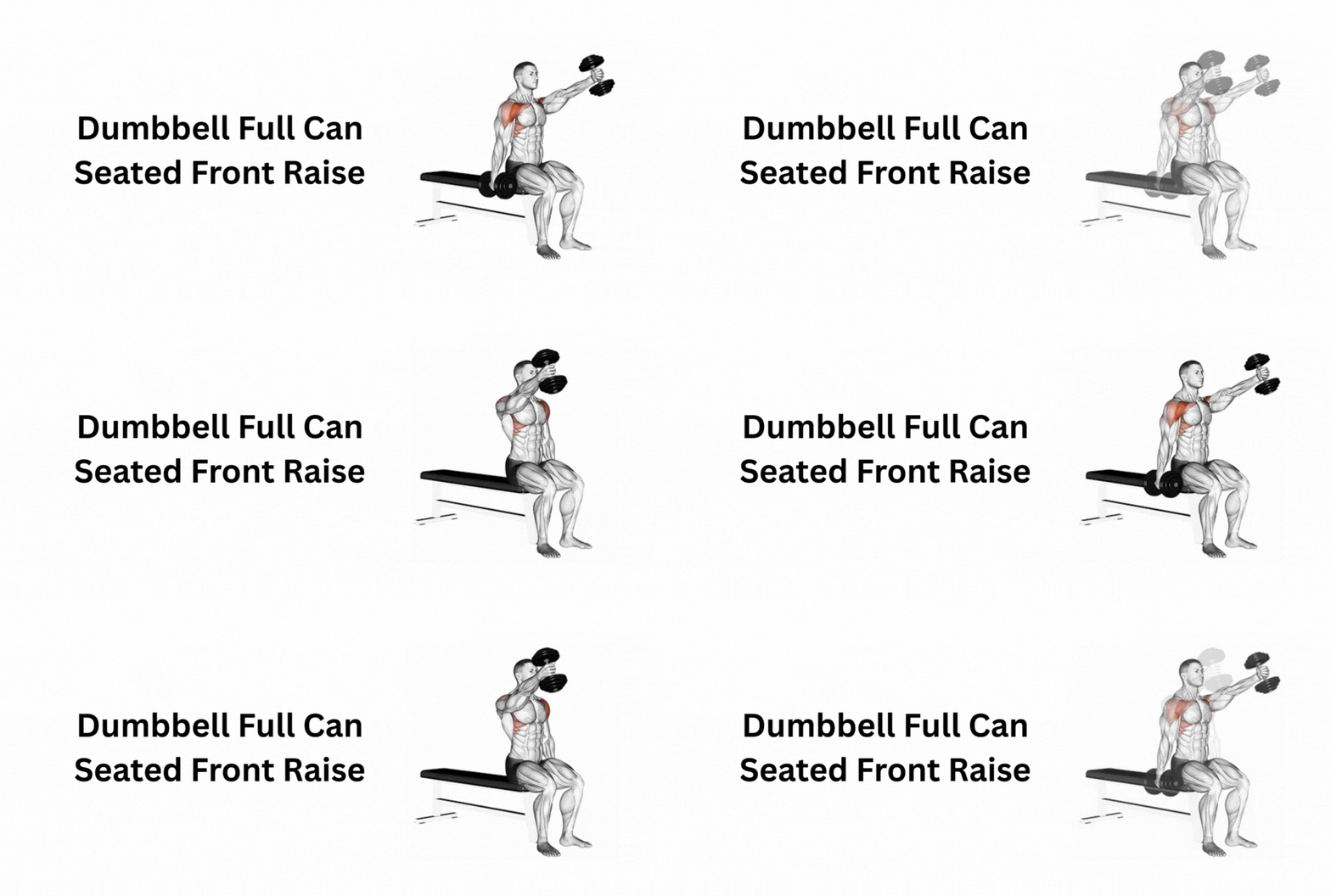
The Dumbbell Full Can Seated Front Raise is a shoulder-friendly front raise variation designed to target the anterior deltoids while minimizing unnecessary joint stress. Unlike traditional front raises, the full can grip where the thumbs point upward keeps the shoulders in a safer, more natural position, reducing impingement risk and improving muscle activation. Performed seated, this exercise limits momentum and increases time under tension for better control and hypertrophy. It’s especially effective for beginners learning proper shoulder mechanics, individuals in rehab or prehab phases, and lifters seeking cleaner delt isolation without heavy loading. In this guide, you’ll learn proper execution, key form cues, common mistakes, and how to integrate this movement into your shoulder training routine.
What Is the Dumbbell Full Can Seated Front Raise?
The Dumbbell Full Can Seated Front Raise is a refined front raise variation where the dumbbells are lifted with a full can grip palms facing slightly inward and thumbs pointing upward while seated on a bench. Compared to a standard front raise, which typically uses a pronated (palms-down) grip, the full can position places the shoulder in a more anatomically favorable alignment. This reduces internal rotation at the top of the lift, lowering stress on the rotator cuff and subacromial space.
Performing the movement seated further enhances control by eliminating leg drive and body swing. With momentum removed, the anterior deltoids must do the majority of the work, improving muscle activation and movement quality.
Physical therapists and strength coaches often prefer this variation because the thumb-up grip promotes better scapular positioning and humeral head alignment. Biomechanically, it encourages safer shoulder elevation patterns, making it ideal for rehab, prehab, beginners, and lifters focused on long-term shoulder health rather than just load progression.
Benefits of Dumbbell Full Can Seated Front Raise
- Shoulder-friendly anterior delt activation
The full can grip keeps the shoulders in a neutral, natural position, allowing the anterior deltoids to work effectively without excessive joint strain. - Reduced internal rotation stress
Unlike palms-down front raises, the thumb-up grip minimizes internal rotation at the top of the movement, lowering impingement risk and rotator cuff stress. - Better mind–muscle connection
The seated setup and controlled lifting path reduce momentum, making it easier to feel the anterior delts working through the entire range of motion. - Ideal for shoulder rehab & prehab
Commonly used in physical therapy settings, this variation reinforces safe shoulder mechanics while building strength in a joint-friendly manner. - Improves shoulder symmetry and control
Strict execution promotes balanced development between sides, helping correct imbalances and enhance overall shoulder stability.
Muscles Worked
Primary Muscle
- Anterior deltoids
The main driver of the movement, responsible for shoulder flexion as the dumbbells are raised in front of the body. The full can grip allows the anterior delts to activate efficiently with less joint strain.
Secondary Muscles
- Upper pectorals
Assist during the initial phase of the lift, especially in the lower-to-mid range of motion. - Supraspinatus (rotator cuff)
Plays a key role in initiating shoulder elevation and maintaining proper humeral head positioning throughout the lift. - Serratus anterior (stability)
Helps control scapular movement and keeps the shoulder blades moving smoothly as the arms rise.
Stabilizers
- Core
Engages isometrically to maintain an upright seated posture and prevent excessive torso movement. - Scapular stabilizers
Including the lower traps and rhomboids, these muscles support proper shoulder blade positioning and joint control.
What You Should Feel During the Lift
You should feel a controlled, steady contraction in the front of the shoulders, especially through the mid and top portion of the raise. The movement should feel smooth and pain-free, with no pinching in the shoulder joint or excessive trap dominance. If performed correctly, the lift emphasizes muscle tension rather than momentum, creating a clean, focused anterior delt burn.
How to Do the Dumbbell Full Can Seated Front Raise
Step 1: Bench Setup
Sit on a flat or upright bench with your back tall and chest lifted. Keep your feet flat on the floor, shoulder-width apart, and engage your core lightly to maintain a stable, upright posture. Avoid leaning back or using the bench for momentum.
Step 2: Dumbbell Grip
Hold a dumbbell in each hand using the full can grip palms facing slightly inward with the thumbs pointing upward. This grip places the shoulders in a safer, more natural position throughout the movement.
Step 3: Start Position
Let your arms hang naturally at your sides with a slight bend in the elbows. The dumbbells should rest near your thighs. Set your shoulders by pulling them gently down and back without over-retracting.
Step 4: Lifting Phase
Raise the dumbbells in a smooth, controlled arc in front of your body. Keep the thumbs up as you lift, focusing on driving the movement with your anterior deltoids rather than momentum.
Step 5: Top Position
Stop when the dumbbells reach shoulder height. Pause briefly for 1 second, maintaining tension in the front delts without shrugging or swinging.
Step 6: Lowering Phase
Lower the dumbbells slowly back to the start position, taking 2-3 seconds on the descent. Control the eccentric to maximize muscle engagement and shoulder stability.
Step 7: Breathing Pattern
Inhale as you lower the dumbbells and exhale during the lifting phase. Maintain steady, controlled breathing to support proper form and core stability.
Video
Best Coaching Cues
- Thumbs slightly higher than pinkies
Maintain the full can grip throughout the lift to keep the shoulders in a safe, joint-friendly position. - Lift with shoulders, not traps
Focus on driving the movement with the anterior delts while keeping the neck relaxed and shoulders down. - Stop at shoulder height
Raising the dumbbells higher shifts tension away from the delts and increases unnecessary shoulder stress. - Slow on the way down
Control the eccentric phase to improve muscle activation and reinforce proper shoulder mechanics. - No swinging or momentum
Stay seated, brace the core, and move deliberately to keep constant tension on the target muscles.
Common Mistakes
| Mistake | Why It’s a Problem | Fix |
|---|---|---|
| Lifting too high | Raising the dumbbells above shoulder level increases impingement risk and shifts stress away from the delts | Stop the lift at shoulder height and maintain constant tension |
| Using momentum | Swinging the weights reduces anterior delt activation and places unnecessary strain on the joints | Lower the weight and slow down the tempo |
| Thumbs-down grip | A pronated grip increases internal rotation and rotator cuff stress | Use the full can grip with thumbs slightly up |
| Standing instead of seated | Allows hip drive and body sway, reducing exercise effectiveness | Sit upright with feet flat and core engaged |
Variations of Full Can Front Raise
- Alternating Seated Full Can Raise
Perform one arm at a time while seated to increase focus and control. This variation is ideal for correcting left-to-right strength imbalances and improving mind-muscle connection. Best used during rehab phases or as a finisher in hypertrophy-focused workouts. - Incline Bench Full Can Raise
Set the bench to a slight incline (30-45°) and perform the raise while leaning back. This reduces momentum even further and keeps constant tension on the anterior delts. Use this variation when you want stricter form and greater time under tension. - Cable Full Can Front Raise
Using cables provides consistent resistance throughout the entire range of motion. This is especially effective for hypertrophy and shoulder stability training, as it removes the dead zone found in dumbbell raises. - Isometric Hold Full Can Raise
Lift the dumbbells to shoulder height and hold for 10-30 seconds. This variation builds shoulder endurance, reinforces proper positioning, and is commonly used in rehab, prehab, or warm-up protocols for shoulder health.
Alternatives to Dumbbell Full Can Seated Front Raise
- Standard Dumbbell Front Raise
A classic anterior delt exercise performed with a palms-down grip. Best suited for experienced lifters with healthy shoulders, as it places more internal rotation stress compared to the full can variation. - Plate Front Raise
Holding a weight plate encourages a neutral hand position and adds continuous tension through the mid-range. This is a simple alternative when dumbbells aren’t available and works well for higher-rep hypertrophy sets. - Cable Front Raise
Provides constant resistance throughout the lift, making it ideal for controlled hypertrophy training and shoulder stability work. Cables also allow easy load adjustments and smoother movement patterns. - Arnold Press (Light Load)
A compound alternative that targets the anterior delts along with other shoulder heads. Using lighter weights and strict control makes it a good option for building delt size while still emphasizing shoulder-friendly mechanics.
How to Program the Full Can Seated Front Raise
Rep Ranges
- Rehab / Control: 12-20 reps
Use light weights and slow tempo to reinforce proper shoulder mechanics, improve stability, and reduce joint stress. - Hypertrophy: 10-15 reps
Focus on controlled reps and constant tension to maximize anterior delt growth without heavy loading.
Sets
- 2-4 sets
Start with fewer sets during rehab or deload phases and progress toward the higher end for hypertrophy-focused blocks.
Frequency
- 2-3 times per week
This frequency supports shoulder health and development while allowing adequate recovery between sessions.
Best Placement
- After compound presses
Perform the full can seated front raise after overhead presses or bench variations to isolate the anterior delts once the heavy work is done. - As a finisher on shoulder day
Ideal for ending workouts with strict form, lighter loads, and high-quality reps to fully fatigue the delts without excessive joint stress.
Safety Tips & Who Should Use This Exercise
- Ideal for shoulder pain management
The full can grip places the shoulder in a more natural, externally rotated position, which helps reduce impingement stress. This makes the exercise a common choice in rehab and prehab programs focused on long-term shoulder health. - Safe for beginners
Light loads, a seated setup, and controlled movement make this variation beginner-friendly. It reinforces proper shoulder mechanics before progressing to heavier or more complex lifts. - When to avoid
Avoid this exercise if you’re dealing with an acute shoulder injury, sharp pain, or post-surgical restrictions unless cleared by a medical professional. Pain during the lift is a sign to stop and reassess. - Recommended warm-up drills
Pair this movement with band pull-aparts, scapular wall slides, and light external rotation drills to prepare the rotator cuff and scapular stabilizers before training.
Dumbbell Full Can Seated Front Raise FAQs
Full can vs standard front raise which is better?
The full can variation is generally better for shoulder health because the thumbs-up grip reduces internal rotation and impingement risk. Standard front raises place more stress on the shoulder joint and are better suited for advanced lifters with healthy shoulders.
Can beginners safely perform this exercise?
Yes. The seated position and lighter loads make it beginner-friendly, helping new lifters learn proper shoulder mechanics with minimal joint stress.
Should I do both arms or alternate?
Both work, but alternating arms improves control, focus, and symmetry. Bilateral raises are fine for time efficiency and overall fatigue.
How heavy should I go?
Use light to moderate weights that allow strict control. If you need to swing or shrug, the load is too heavy.
Is this good for shoulder rehab?
Yes. This exercise is commonly used in rehab and prehab settings to strengthen the anterior delts and rotator cuff in a joint-friendly way provided there’s no acute injury.
How high should I lift the dumbbells?
Lift only to shoulder height. Going higher increases shoulder stress and reduces delt isolation.
Can I do this standing instead?
You can, but seated is preferred. Standing allows momentum and hip drive, which reduces effectiveness and increases cheating.
Key Takeaways
- The full can grip helps reduce internal rotation and shoulder joint stress, making this variation safer than standard front raises.
- Performing the movement seated eliminates momentum, improves control, and increases anterior delt isolation.
- This exercise is effective for hypertrophy, shoulder rehab, and long-term joint health when performed with strict form and appropriate loading.
See Other Exercises: Dumbbell Alternating Full Can Seated Front Raise, Dumbbell Arnold Press, Dumbbell Alternating Incline Front Raise