Table of Contents
Instructions
The Dumbbell Seated Front Raise is a focused shoulder exercise that primarily targets the anterior deltoids. By performing the movement in a seated position, you reduce the use of momentum, ensuring greater control and optimal muscle activation. This makes it particularly effective for beginners learning proper form, lifters aiming for hypertrophy, or anyone seeking precise shoulder isolation. In this guide, we’ll cover step-by-step instructions, common mistakes to avoid, key form tips, variations, and programming advice to help you maximize your shoulder development safely and effectively.
What Is the Dumbbell Seated Front Raise?
The Dumbbell Seated Front Raise is a shoulder isolation exercise that focuses on strengthening the anterior deltoids. Unlike standing front raises, performing it seated reduces the involvement of the lower back and legs, minimizing momentum and forcing the shoulders to do most of the work. This position allows for better muscle activation and strict form, making it ideal for hypertrophy, rehabilitation, or precise shoulder isolation. It’s often preferred over pressing movements when the goal is to target the front delts without heavy compound lift involvement, making it a perfect addition to accessory or finisher shoulder routines.
Benefits of Dumbbell Seated Front Raise
The Dumbbell Seated Front Raise offers several advantages that make it a valuable addition to any shoulder routine:
- Better anterior deltoid isolation: Sitting down eliminates the ability to use body sway or leg drive, ensuring the front delts do all the work.
- Reduced momentum and cheating: The seated position minimizes cheating, allowing for controlled, strict repetitions that maximize muscle activation.
- Improved mind-muscle connection: Focusing on each lift while seated enhances neuromuscular engagement, helping you target the shoulder more effectively.
- Beginner-friendly: This exercise is safe and easy to learn, making it ideal for those new to resistance training.
- Perfect accessory after presses: Following compound lifts like overhead presses, it serves as an excellent isolation finisher to fully fatigue the anterior delts.
Muscles Worked
The Dumbbell Seated Front Raise primarily targets the anterior deltoids, the front portion of your shoulders, making it highly effective for building shoulder size and definition.
Primary Muscle
- Anterior Deltoids: Responsible for lifting your arms forward and driving shoulder flexion.
Secondary Muscles
- Upper Pectorals: Assist in forward arm movement.
- Upper Trapezius: Provides support and stabilization during the lift.
Stabilizers
- Core: Keeps your torso upright and prevents excessive swaying.
- Scapular Stabilizers: Maintain proper shoulder positioning and prevent joint strain.
Where You Should Feel the Exercise
During each repetition, the primary sensation should be in the front of your shoulders. Minimal strain should be felt in your traps or chest; if you feel your lower back compensating, reduce weight or focus on controlling the movement. Maintaining proper form ensures maximum anterior delt engagement and safety.
How to Do the Dumbbell Seated Front Raise
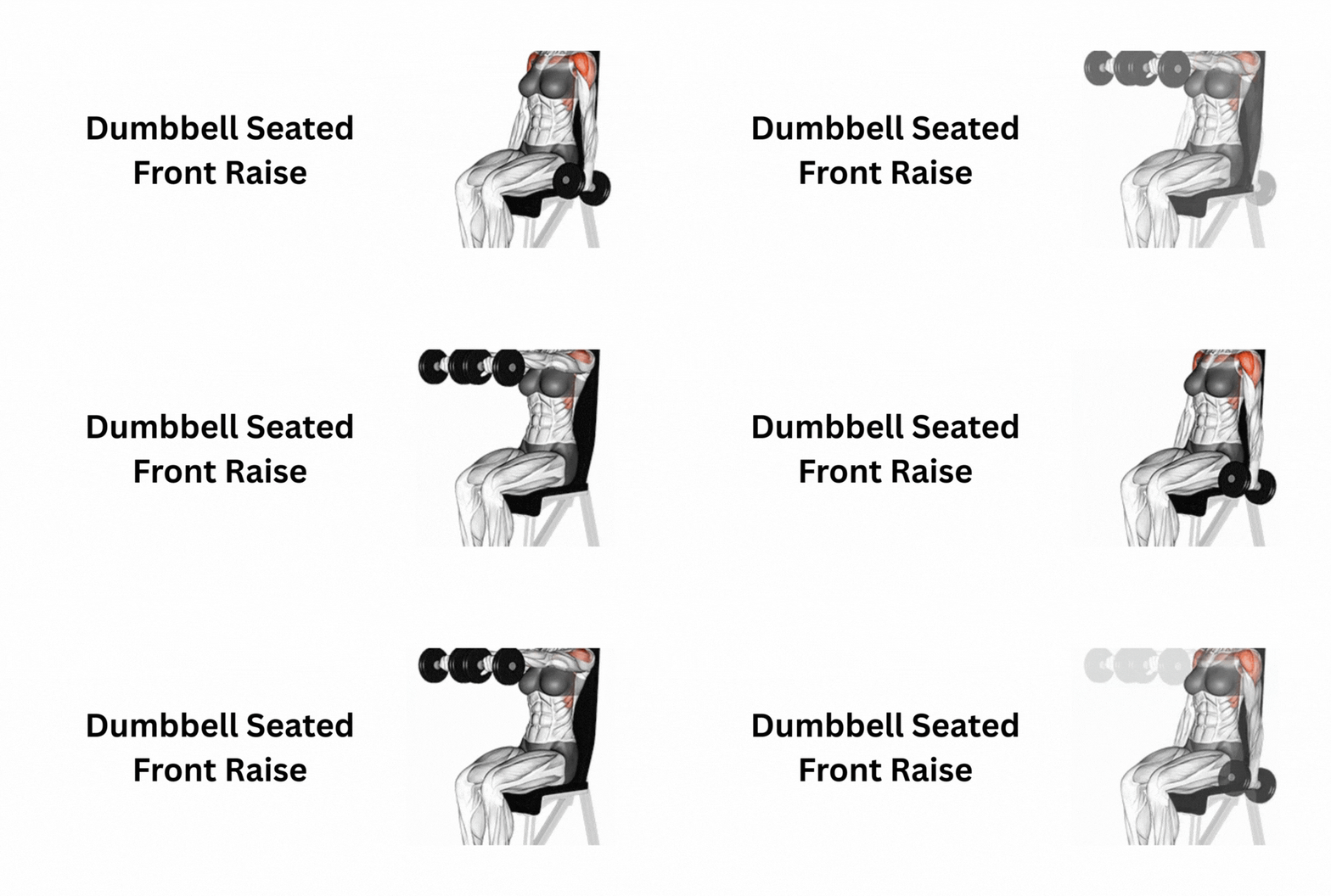
Follow these steps to perform the Dumbbell Seated Front Raise safely and effectively:
Step 1: Setup
- Sit upright on a flat bench with feet firmly planted on the floor.
- Hold a dumbbell in each hand at your sides, keeping your arms relaxed.
Step 2: Start Position
- Position your palms facing your thighs (neutral grip) or slightly forward (pronated grip).
- Brace your core and keep your back straight to prevent momentum from your torso.
Step 3: Lifting Phase
- Slowly raise the dumbbells forward in a controlled motion.
- Stop when your arms reach shoulder height, keeping a slight bend in your elbows.
- Focus on using your anterior delts to lift, not your traps or momentum.
Step 4: Lowering Phase
- Lower the dumbbells slowly back to the starting position.
- Maintain tension in your shoulders throughout the descent.
Step 5: Breathing
- Exhale as you lift the weights.
- Inhale as you lower them.
Video
Best Coaching Cues
Maximize your results and reduce injury risk with these key form reminders for the Dumbbell Seated Front Raise:
- Lift with shoulders, not arms – Focus on your anterior delts doing the work.
- Stop at shoulder height – Prevent shoulder strain and maintain tension.
- No swinging or momentum – Keep the movement controlled for proper isolation.
- Control the negative – Lower slowly to maximize muscle engagement.
- Stay tall and braced – Maintain an upright posture with a tight core.
Common Mistakes & How to Fix Them
Avoid these common errors to ensure safe and effective Dumbbell Seated Front Raise execution:
| Mistake | Why It’s a Problem | Fix |
|---|---|---|
| Swinging the weights | Reduces anterior delt activation and relies on momentum | Lower the weight and move slowly, focusing on control |
| Lifting too high | Increases shoulder joint stress and reduces effectiveness | Stop the dumbbells at shoulder height |
| Using heavy dumbbells | Compromises form and control | Use a moderate load that allows strict form |
| Shrugging traps | Overuses upper traps instead of delts | Keep shoulders down and focus on driving the lift with your front delts |
Dumbbell Seated Front Raise Variations
Adding variations to your Dumbbell Seated Front Raise can help target the shoulders differently, improve mind-muscle connection, and prevent training plateaus:
- Alternating Seated Front Raise: Lift one arm at a time for better focus and control, allowing you to concentrate on each shoulder individually.
- Seated Front Raise with Full Can Grip: Hold dumbbells with thumbs slightly up to reduce shoulder joint stress and improve anterior delt engagement.
- Incline Seated Front Raise: Perform on a slightly reclined bench to change the angle of resistance, increasing front delt activation.
- Single-Arm Seated Front Raise: Focus on one side at a time, perfect for correcting strength imbalances and enhancing stability.
Alternatives to Dumbbell Seated Front Raise
If you want to mix up your shoulder training or target the anterior delts differently, consider these effective alternatives:
- Standing Dumbbell Front Raise: Similar to the seated version but involves more core stabilization. Perfect for those who want to engage the core while training shoulders.
- Cable Front Raise: Provides constant tension throughout the movement, ideal for hypertrophy and controlled reps.
- Plate Front Raise: A simple variation using a weight plate, great for beginners or those looking to simplify equipment needs.
- Barbell Front Raise: Allows for heavier loading and is suitable for building shoulder strength in a compound-like isolation movement.
How to Program the Dumbbell Seated Front Raise
Proper programming ensures you get the maximum benefit from the Dumbbell Seated Front Raise, whether your goal is hypertrophy, endurance, or shoulder definition.
Reps & Sets
- Hypertrophy: 3-4 sets of 10-15 reps to build size and strength in the anterior delts.
- Endurance: 2-3 sets of 15-20 reps to improve muscular stamina and control.
Frequency
- Perform 2-3 times per week depending on your overall shoulder training volume and recovery.
Workout Placement
- Use the exercise after compound overhead presses to fully fatigue the front delts.
- Ideal as a shoulder finisher to isolate and pump the anterior delts without overloading the joints.
Safety & Injury Prevention
Protect your shoulders and maximize results with these essential safety tips for the Dumbbell Seated Front Raise:
- Use a controlled tempo: Avoid swinging the dumbbells to reduce stress on the shoulder joint and maintain proper muscle engagement.
- Warm up shoulders beforehand: Perform light mobility drills or warm-up sets to prepare the anterior delts and surrounding stabilizers.
- Avoid excessive load: Choose a weight that allows strict form and full range of motion to prevent strain or compensatory movements.
- Stop if shoulder pain occurs: Mild fatigue is normal, but sharp or joint pain indicates improper form or overload.
Dumbbell Seated Front Raise FAQs
1. Seated vs standing front raise which is better?
The seated version reduces momentum and isolates the anterior delts, making it better for hypertrophy and strict form. The standing version engages the core more and allows slightly heavier loads.
2. How heavy should dumbbells be?
Choose a weight that allows 10-15 controlled reps with proper form. Avoid using heavy dumbbells that cause swinging or trap engagement.
3. Can beginners do seated front raises?
Yes! The seated front raise is beginner-friendly because it minimizes momentum and helps develop proper shoulder isolation. Start with light dumbbells and focus on form.
4. Should palms face up or down?
A neutral grip (palms facing thighs) is standard, but slightly pronated (palms down) or full can grips can reduce shoulder stress and improve delt activation.
5. Is this exercise good for shoulder growth?
Absolutely. It isolates the anterior delts, making it ideal as an accessory lift after presses or as a finisher for hypertrophy-focused routines.
6. How high should I lift the dumbbells?
Raise the dumbbells to shoulder height only. Going higher can place unnecessary strain on the shoulder joint and reduce delt activation.
Key Takeaways
- Seated position improves isolation: Reduces momentum and ensures the anterior delts do the work.
- Best for anterior delt hypertrophy: Ideal as an accessory lift or finisher for shoulder-focused routines.
- Light to moderate weight works best: Enables strict form, controlled reps, and safe progression.
See Other Exercises: Dumbbell Full Can Seated Front Raise, Dumbbell Alternating Full Can Seated Front Raise, Dumbbell Arnold Press