Table of Contents
Instructions
The barbell upright row is a compound upper-body exercise that targets the shoulders and upper trapezius by pulling a barbell vertically along the torso. It’s popular in bodybuilding and strength programs because it efficiently builds shoulder width, upper-back thickness, and trap size with relatively simple equipment. However, the movement is also controversial due to its association with shoulder impingement when performed with poor technique or excessive range of motion. In this article, we’ll break down the proper upright row form, explore its key benefits, explain the potential risks, and highlight safer, effective alternatives so you can train your shoulders smartly and pain-free.
What Is the Barbell Upright Row?
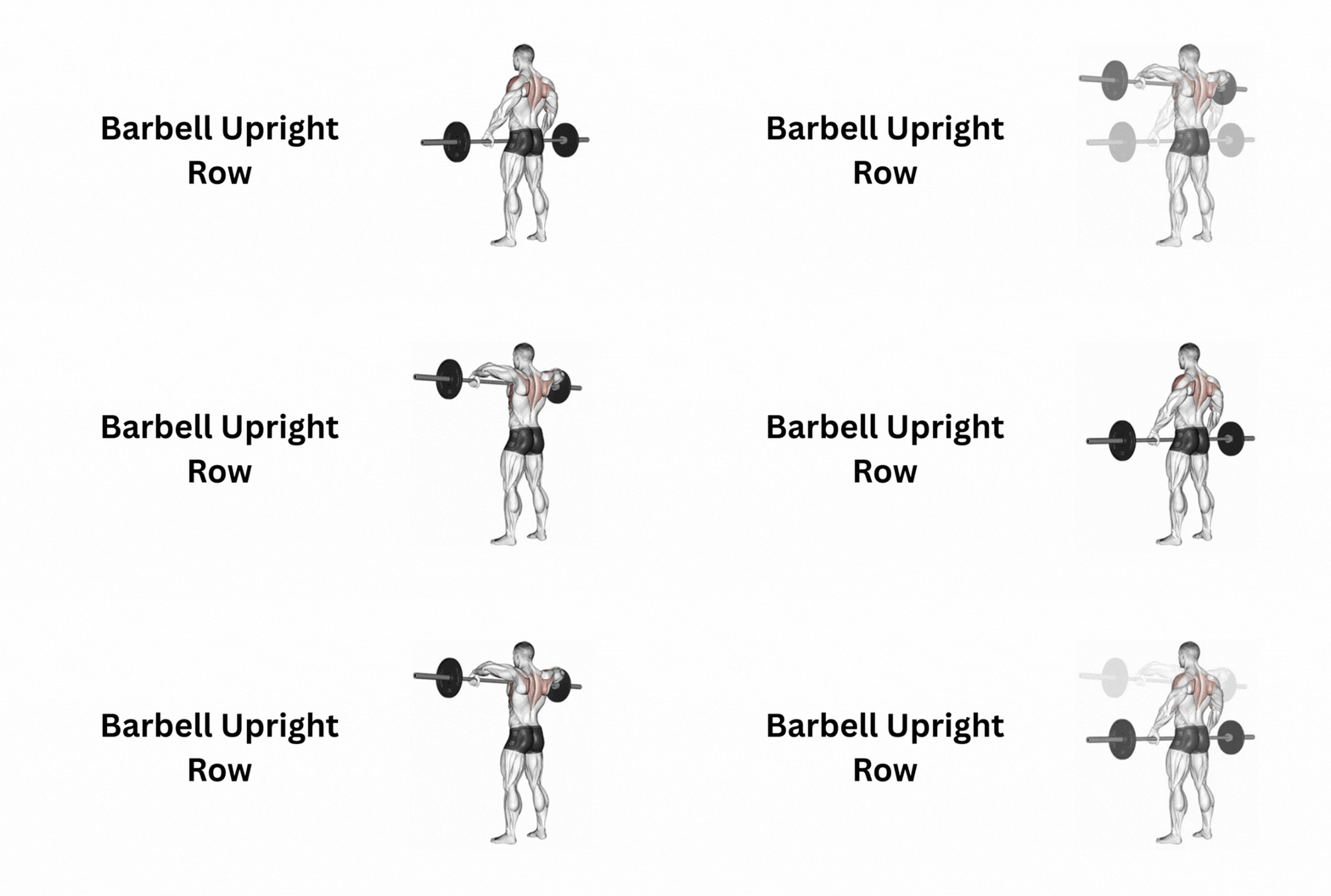
The barbell upright row is a vertical pulling exercise performed by lifting a barbell from the thighs up toward the upper chest while keeping the bar close to the body. The movement primarily involves shoulder abduction and elbow flexion, making it a hybrid lift that targets both the shoulders and upper back.
This exercise strongly emphasizes the upper trapezius and lateral deltoids, while also engaging the biceps and forearms as secondary movers. Due to its ability to build shoulder width and upper-trap thickness, the barbell upright row is commonly included in bodybuilding programs, shoulder-focused workouts, and aesthetic-driven training routines.
Muscles Worked
Primary Muscles
- Upper Trapezius
The upper traps are heavily involved as you elevate the bar, helping raise and stabilize the shoulders during the pull. - Lateral Deltoids
The side delts play a key role in shoulder abduction, contributing to shoulder width and overall upper-body aesthetics.
Secondary Muscles
- Biceps
The biceps assist in elbow flexion as you pull the bar upward, though they are not the main focus of the movement. - Forearms
Forearm muscles are engaged to maintain grip strength and control the bar throughout the lift. - Upper Back Stabilizers
Muscles such as the rhomboids and lower trapezius help stabilize the shoulder blades, supporting proper posture and controlled movement during the exercise.
Benefits of the Barbell Upright Row
- Builds upper-trap and shoulder size
The upright row places significant tension on the upper trapezius and lateral deltoids, making it effective for increasing shoulder width and developing thick, prominent traps. - Improves shoulder elevation strength
Regularly performing upright rows can strengthen the muscles responsible for shoulder elevation, which carries over to other pulling and overhead movements. - Efficient exercise for upper-body hypertrophy
By training multiple upper-body muscles at once, the barbell upright row delivers a strong hypertrophy stimulus in relatively few sets and reps. - Simple setup and easy to load
The movement requires only a barbell and weight plates, allowing for quick setup and straightforward progression through load increases. - Works well as an accessory movement
The upright row fits well after primary lifts like presses or pulls, helping add volume to the shoulders and traps without overly complex technique demands.
How to Do the Barbell Upright Row
Step 1: Setup
Stand tall with a barbell resting against your thighs and your feet about hip-width apart. Grip the bar slightly wider than shoulder width, which is critical for shoulder safety and comfort. Brace your core, keep your chest tall, and let your shoulders relax down and back before initiating the movement.
Step 2: Pull
Begin the lift by leading with your elbows, not your hands. Pull the bar straight up while keeping it close to your torso. Focus on driving the elbows out and up, allowing the shoulders and traps to do the majority of the work.
Step 3: Top Position
Stop the pull when the bar reaches the lower chest or upper rib level. At the top, your elbows should be roughly in line with your shoulders avoid allowing them to rise excessively higher, as this increases shoulder stress without added benefit.
Step 4: Lower
Lower the bar back down to your thighs in a controlled manner, maintaining tension and proper posture throughout. Avoid dropping the weight or swinging, and reset briefly before the next repetition.
Video
Best Grip Width & Range of Motion
Grip width and range of motion play a major role in how safe and effective the barbell upright row is.
A narrow grip forces the shoulders into greater internal rotation as the elbows rise, significantly increasing the risk of shoulder impingement. This is the most common reason lifters experience discomfort or pain with upright rows.
Using a wider-than-shoulder-width grip places the shoulders in a more natural position, reduces joint stress, and allows the lateral delts and traps to work more efficiently. For most lifters, this grip feels smoother and more controllable.
A partial range of motion is often safer than pulling the bar all the way to the neck. Focus on lifting the bar only to the lower chest or collarbone level. The bar should never travel above the collarbone, as higher pulls increase shoulder strain without providing additional muscle-building benefit.
Coaching Cues
- Pull elbows out, not straight up
Think about spreading the bar apart and driving your elbows outward to better engage the lateral delts and reduce shoulder stress. - Stop before shoulders pinch
End the lift as soon as you feel shoulder compression. There’s no benefit to pulling higher once tension shifts from muscle to joints. - Control the negative
Lower the bar slowly and under control to maintain muscle tension and protect the shoulders from unnecessary strain. - Use moderate weight only
The upright row is not a max-effort lift. Choose a load you can control with clean form and a safe range of motion.
Common Mistakes & Shoulder Risks
| Mistake | Why It’s Risky | Fix |
|---|---|---|
| Narrow grip | Forces excessive internal shoulder rotation, increasing the risk of shoulder impingement | Use a wider-than-shoulder-width grip |
| Pulling too high | Places unnecessary stress on the rotator cuff and shoulder joint | Limit the range of motion to collarbone or lower chest height |
| Excessive weight | Leads to poor control, compensations, and joint strain | Reduce the load and prioritize clean technique |
| Jerking reps | Causes loss of muscle tension and increases injury risk | Slow the tempo and maintain control throughout the lift |
Safer Upright Row Variations
If the traditional barbell upright row causes discomfort, these variations can deliver similar benefits with less shoulder stress:
- EZ-Bar Upright Row
The angled grips of an EZ-bar allow for a more natural wrist and shoulder position, reducing joint strain while still targeting the traps and lateral delts. - Dumbbell Upright Row (Neutral Grip)
Using dumbbells with a neutral grip lets each arm move independently, improving shoulder mechanics and significantly lowering impingement risk. - Cable Upright Row with Rope
A cable setup provides constant tension and allows the hands to separate at the top, promoting a safer range of motion and smoother shoulder movement. - Wide-Grip Barbell Upright Row
A wider grip limits excessive internal rotation and keeps the shoulders in a safer position, making it one of the safest barbell-based upright row options.
Best Alternatives to Upright Rows
For lifters who want to build strong shoulders and traps without the shoulder stress associated with upright rows, these alternatives are highly effective and widely recommended:
- Lateral Raises
One of the best exercises for targeting the lateral deltoids. Lateral raises build shoulder width with minimal joint strain and are ideal for both beginners and advanced lifters. - Face Pulls
Face pulls strengthen the rear delts, upper traps, and rotator cuff muscles while promoting shoulder health and posture making them an excellent corrective and hypertrophy movement. - High Pulls
A more explosive, athletic alternative that emphasizes the traps while allowing better shoulder mechanics than traditional upright rows when performed with proper technique. - Dumbbell Shrugs
If trap development is the primary goal, dumbbell shrugs isolate the upper trapezius effectively without placing the shoulders in compromised positions. - Cable Y-Raises
This shoulder-friendly movement targets the lower traps and rotator cuff, improving scapular stability and balancing shoulder development to reduce injury risk.
Programming & Sets/Reps
Hypertrophy Focus
For muscle growth, the barbell upright row should be performed with moderate volume and controlled execution:
- Sets: 3-4
- Reps: 10-15
- Load: Light to moderate (leave 1-2 reps in reserve)
- Tempo: Slow and controlled, especially on the lowering phase
This approach maximizes time under tension while minimizing unnecessary shoulder stress.
Placement
The upright row works best later in shoulder or upper-body workouts, after primary pressing or pulling movements are completed. It should be treated as an accessory exercise, not a main compound lift, and used to add targeted volume to the shoulders and traps rather than build maximal strength.
Who Should Avoid the Barbell Upright Row
The barbell upright row isn’t suitable for everyone and may aggravate existing joint issues. You should avoid or replace this exercise if you have:
- A history of shoulder impingement
The upright row can place the shoulders in positions that increase compression, potentially worsening symptoms. - Rotator cuff injuries
This movement may overload the rotator cuff, especially at the top of the lift, slowing recovery or increasing injury risk. - Limited shoulder mobility
Poor overhead or abduction mobility can force compensations, making the exercise unsafe and ineffective. - Elbow or wrist pain
The grip and pulling mechanics can stress the elbows and wrists, particularly when heavier loads are used.
In these cases, shoulder-friendly alternatives like lateral raises, face pulls, or cable-based movements are safer and more effective options.
Frequently Asked Questions
Are upright rows bad for shoulders?
Upright rows are not inherently bad, but they can be problematic when performed with a narrow grip, excessive weight, or an overly high range of motion. Using a wider grip and stopping the pull at the lower chest greatly reduces shoulder stress for most lifters.
Upright row vs lateral raise which is better?
Lateral raises are generally better for isolating the side delts with minimal joint strain. Upright rows allow heavier loading and trap involvement but carry higher shoulder risk, making lateral raises the safer choice for most people.
How high should I pull the bar?
Pull the bar only to the lower chest or collarbone level. Going higher increases rotator cuff and shoulder joint stress without adding muscle-building benefits.
Is a wide grip safer?
Yes. A wider-than-shoulder-width grip places the shoulders in a more natural position and significantly lowers the risk of impingement compared to a narrow grip.
Can beginners do upright rows?
Beginners can perform upright rows if they use light weights, a wide grip, and a limited range of motion. However, many beginners are better served starting with lateral raises and face pulls.
Are dumbbells better than barbells?
For many lifters, yes. Dumbbells allow a neutral grip and independent arm movement, which often feels more natural and places less stress on the shoulders than a fixed barbell.
Key Takeaways
- The barbell upright row is an effective exercise for building the upper traps and lateral deltoids when performed correctly.
- Proper grip width and range of motion are essential to minimize shoulder impingement risk.
- The upright row is not ideal for everyone, especially those with shoulder injuries or mobility limitations.
- Safer alternatives such as lateral raises, face pulls, and cable variations often deliver similar muscle-building benefits without joint stress.
See Other Exercises: Barbell Deadlift, Barbell Clean and Jerk, Barbell Clean and Press